
Why the River Itchen's gravel runs form spring sewin feeding windows
Martyr Worthy, late May — first light, 4:30 AM: sewin touch the surface
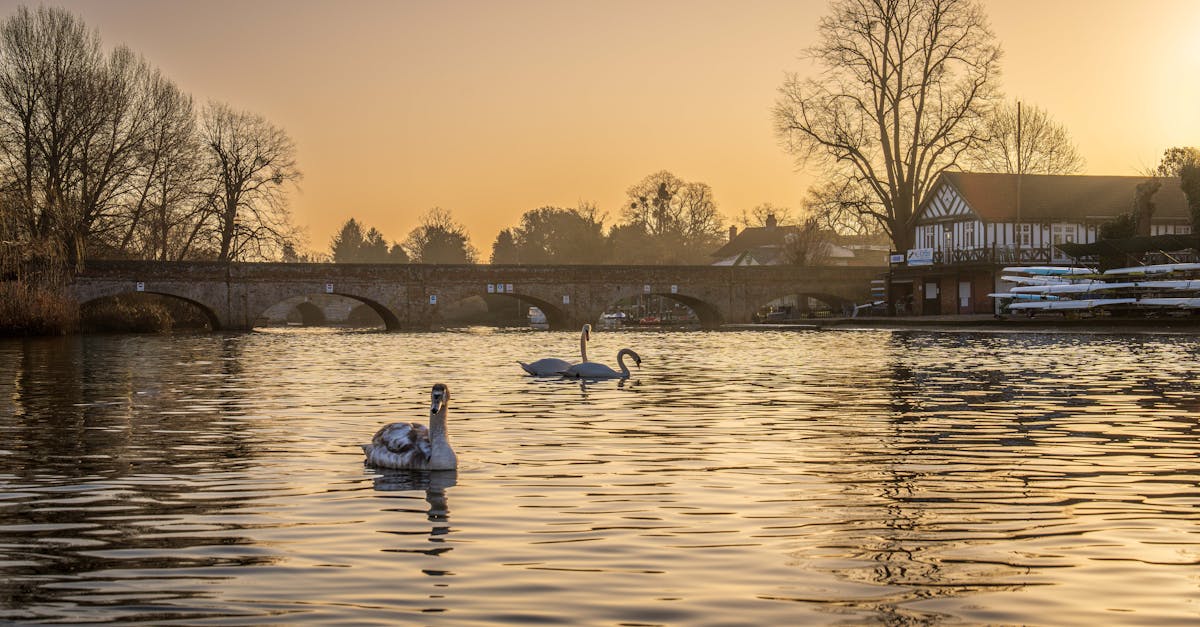
Why the gravel runs matter
The Itchen is a chalk stream. The aquifer delivers a steady 55°F upwelling that keeps the water gin-clear and oxygen-rich. Gravel runs 1–3 ft deep — pea-sized to 2-inch flint and limestone — sit flushed and free of silt. That chemistry and stone size is why oligochaete worms and Gammarus pulex concentrate in those runs. When water warms into the high 50s F, the runs become feeding windows: steady currents of 1–2 mph push shrimp and nymphs across sunlit riffles and sewin rise in discreet, early-morning touches.
Timing and the hatch
Late May through June is the prime slot. Blue-winged olive (Serratella ignita) duns and Hydropsyche caddis begin emerging at first light, typically 4:30–6:00 AM. The chalk filtration keeps the gravel clean, so emergences are sharp and localised. Two- to four-pound sewin — peal, the silver ghost of Hampshire — take aggressively but briefly, often only for the twenty minutes when dun flights peak.
Tackle and technique
Light gear wins. A 7-foot #3 wt fly rod, 6X tippet, #18-22 Grey Wulf or Frenchie nymphs fished Euro-style on 18-inch leaders over 12–24 inch runs produces the steady grey silhouettes anglers seek. Short presentations, subtle strike detection, contact with the gravel seam: these are the skills that make dawn touches into landed fish.
Kitchen, folklore and history
A 2 lb sewin grilled over hazel twigs with a scatter of wild garlic from the bank flakes like Cheshire trout. Smoking cures that echo Hampshire peal hams turn the flesh smoky and firm. Test & Itchen Association beats at Cheriton and Itchen Abbas hold the old stories: Victorian anglers on 9-foot Avon rods, baskets brimmed by 7 AM, and the peal running with salmon kin through spring, a river that keeps turning up silver.
Recommended: 6X fluorocarbon tippet