
Tea-rooms and flies on the Itchen
River Itchen keeper kitchens and fly‑tying
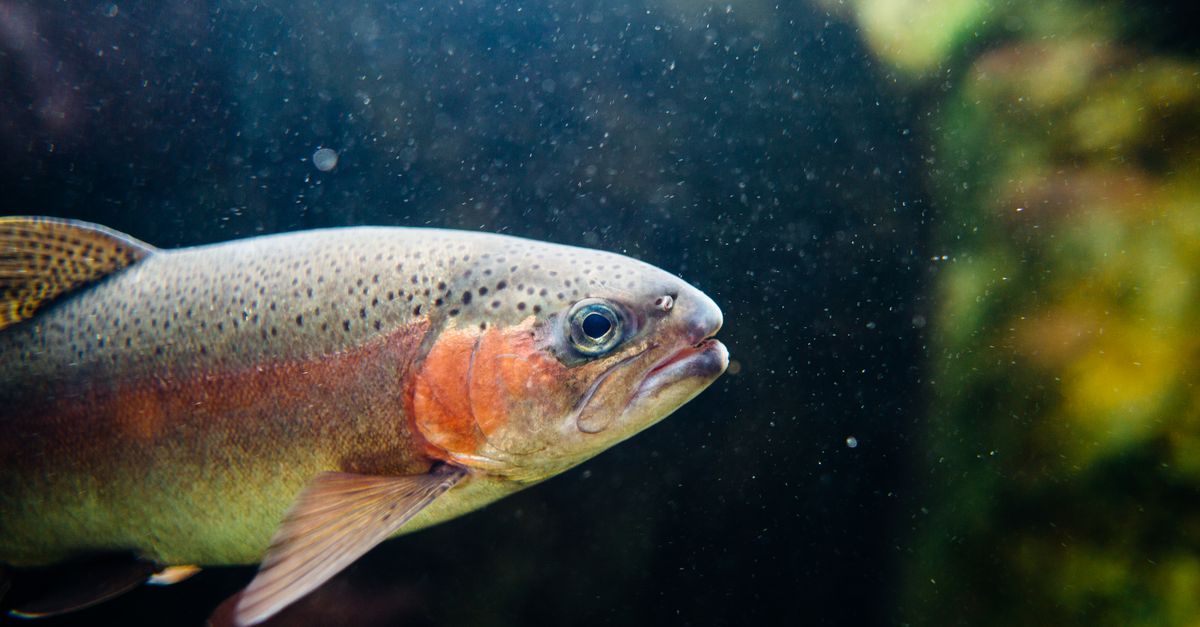
River Itchen mill reaches once held a brown trout famed in Victorian angling circles, a fish that fed local lore and the routines of keepers along the Hampshire water.
Keeper kitchens were practical hubs: kettles on irons, thick tea, slices of stout bread, cold meat and the occasional fry‑up packed into flasks before dawn. Those huts sat a cast from pegs and beats, a place to warm hands and mend leaders between watches.
Fly‑tying socials and craft
Evenings in the keepers' huts turned to fly‑tying socials, where hackles were compared, wing slips traded and small patterns were evolved for daphnia, sedge and mayfly hatches. The chalk‑stream demand for a delicate dry‑fly presentation made materials and technique central to success with Salmo trutta.
Morning river fare matched the sport: boiled eggs, smoked trout, rashers and tea taken quietly beside the bank. That modest cuisine kept anglers ready for the first sip rises beneath a mill wheel, and the same patterns tied by lantern light would be nailed to leaders in the grey.
Those routines—keeper kitchens, shared patterns and simple riverside meals—left a legacy on the Itchen and neighbouring Test: an angling culture where food, fly and finger‑tied hackles remain as important as any rod or reel, and where a dry‑fly landing on a sipping trout beneath a mill reach still makes history.
Recommended: rooster hackle pack