
Three cues for Itchen trout seams
Itchen at Alresford holds its seams shallow and glassy at dusk.
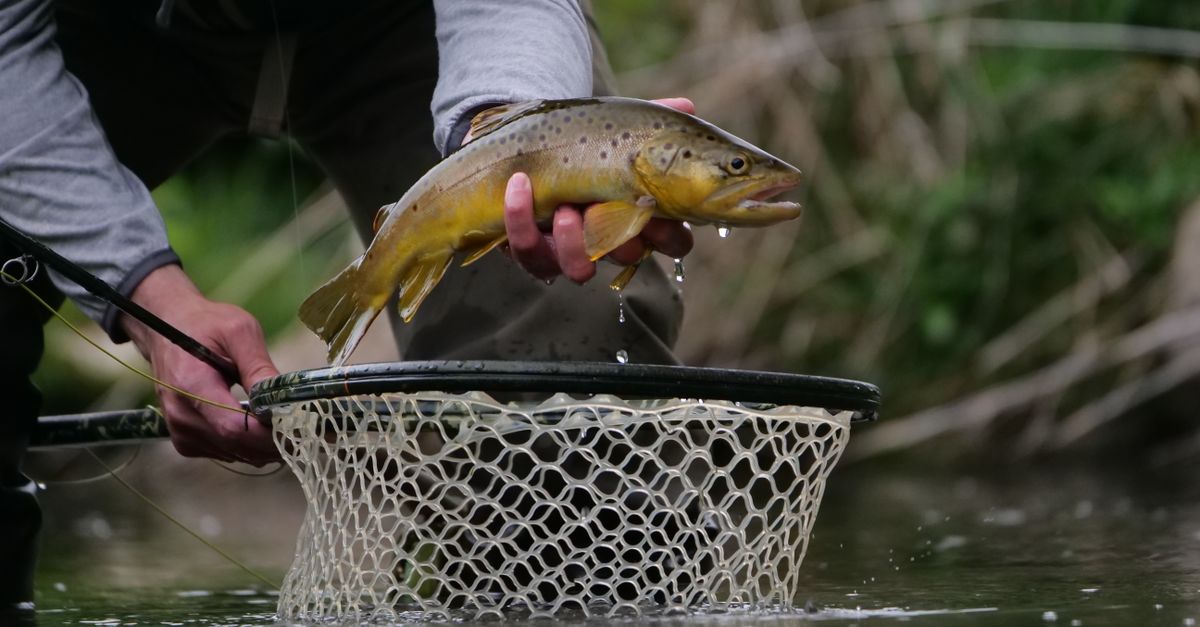
The prime cue is water velocity transitions: seams where faster water meets slow create a bubble edge and a feeding lane. Scan upstream 10–100 yards for where flow compresses around a root or chalk bar; trout sit on the slow side, noses into the current, ready to dart into the faster strip for food.
Second cue is insect pulse. Evening spinner falls—small mayflies and Caenis pulses—produce rise-lines. Present imitations high in the film, 2–6 inches deep, using neutrally buoyant CDC emerger patterns or slim dry flies that ride the surface film without drag.
Angled casting and rigs
Cast upstream or quarter downstream, land the fly 3–4ft above a rising fish and let it drift 3–4ft past. Use a floating polyleader or a fine-taper floating line with a long, soft leader. Tie a non-slip loop knot for better action on dries and a three-turn surgeon's knot for link tippet joins.
Wading boots with sticky soles and a 9ft 3wt rod give control for delicate quartering casts. When one trout takes, expect others along the same rise-line; keep casts light, pick up promptly and feed the next drift. A trout explodes the seam as evening collapses into velvet.