
Izaak Walton and the Birth of English Angling
1653 — Izaak Walton published The Compleat Angler.
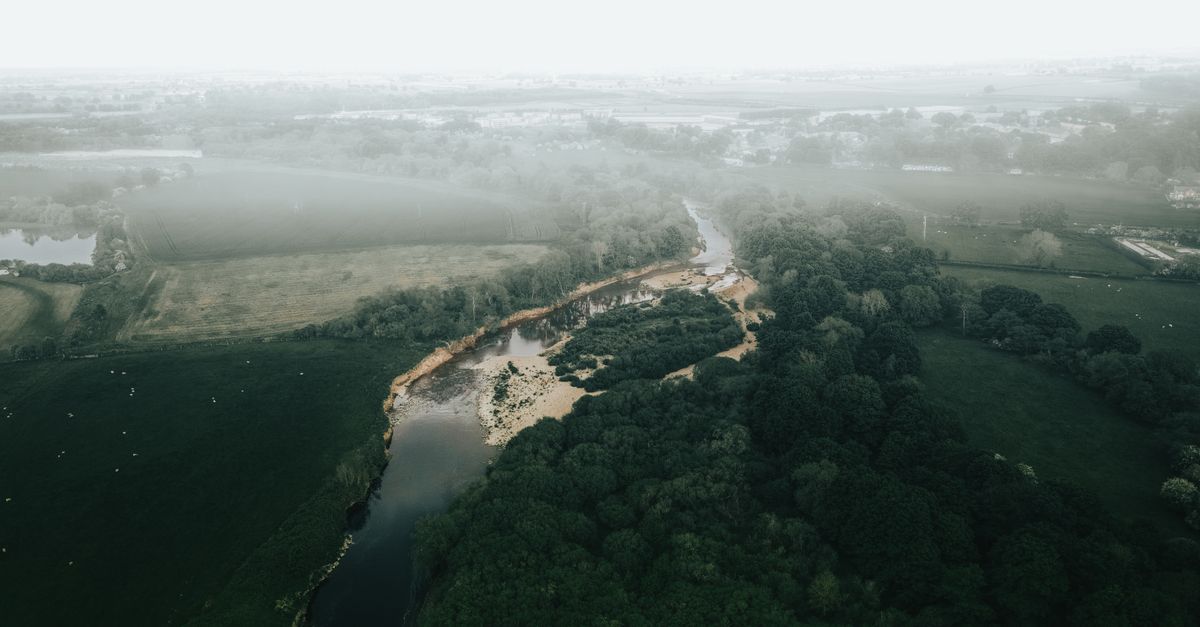
That book rewired how England thought about rivers. Walton’s prose traded tally-men and commerce for barbel, brown trout and the slow ritual of rising fish. Language matters here: the river becomes a place for patience, for friendship, and for the single sting of a dry fly finding the trout’s nose.
Angling in Walton’s hands was not mere catch and count. It was conversation. The Compleat Angler is a series of dialogues that read like sitting beside a river with an old friend, rod in hand, boots tucked into waders, watching a hatch fold over riffle and glide into slack water.
River roots and chalk-stream character
The chalk streams of southern England — Test, Itchen, Wandle — carry Walton’s spirit. Clear, limestone-filtered water; steady summer mayfly hatches; the subtle rise of a wary brown trout. Those rivers taught techniques: delicate tackle, exact presentation, and a reverence for habitat that later anglers and naturalists amplified.
Walton’s influence crosses centuries. Dry-fly craft, the poetry of a lunchtime cast, even the notion that a day’s catch is measured in stories — these come from him. On a misted morning a single mayfly skates across a riffle and the tradition snaps into life, as it did for anglers who read Walton’s lines at the water’s edge.
Recommended: waterproof fishing waders