
Keepers of the Test
Frederic M. Halford and the River Test
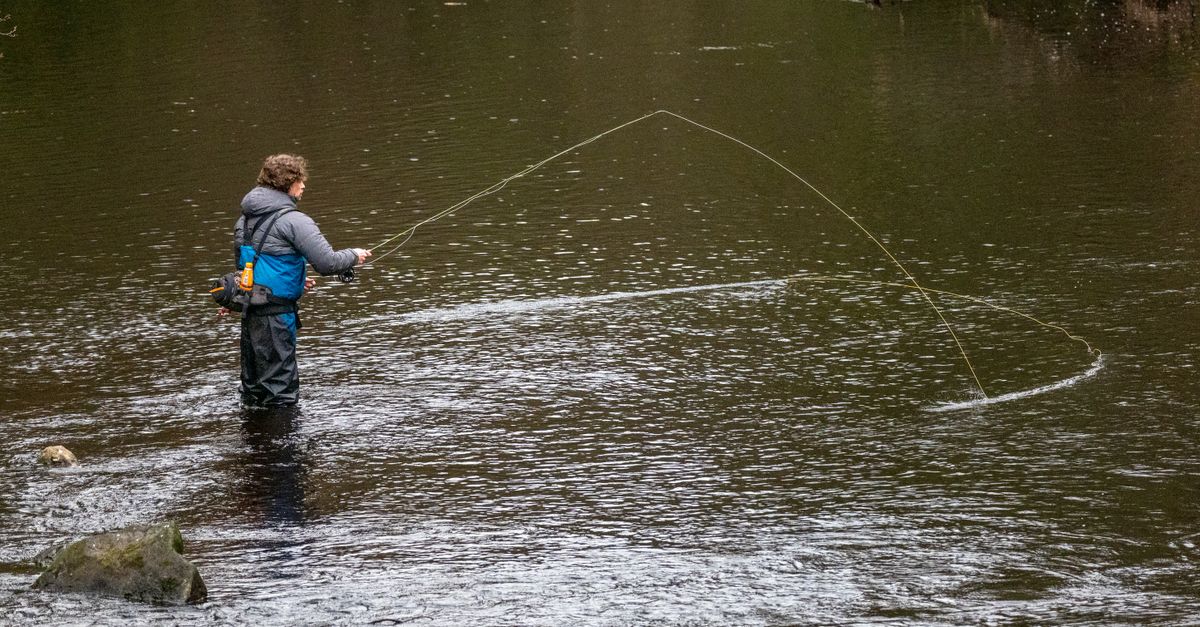
On the chalk of Hampshire the River Test and the Itchen became classrooms for the upstream dry-fly: visible rises, feather-light landings and a club culture that turned presentation into craft. Victorian river-keepers learned to read trout like pages, matching mayfly olives and sizing flies down to 18–20 so a single wing wouldn't alarm a wary Salmo trutta.
Gear, method and etiquette
What changed was gear and ritual. Anglers favoured 9 ft, 4-weight rods with 9–10 ft tapered leaders near 4 lb breaking strain so a cast would turn over clean and the fly drift dead straight. Modern chalk-stream advice still points to floating line, 8–9 ft rods in 4–5 wt and 10–11 ft leaders around 3 lb for glassy pools. The canonical cast is upstream, placing the fly a foot or two ahead of a rising trout and keeping the drift invisible.
Keepers tended beats, cultivated bankside insect life and enforced quiet approaches and careful netting. Clubs codified etiquette in late-Victorian Hampshire and the Wye, too, gained reputation as dry-fly water early on. The late-summer 'reading the hatch' culture—watch the rise, match the natural, mend with care—comes from those river-keeper lessons.
Riverside cookery mirrors the same economy. Small brown trout are treated with respect: salt, pepper and a knob of butter in a hot pan to crisp the skin, or wrapped in greaseproof paper and buried near embers for a smoky supper beside the water. At dusk on the Test a pale hatch ghosts the surface and a trout sips in a streak of green glass.
Recommended: greaseproof sheets