
LEDs, Chalk Streams and Evening Rises
The River Test at Stockbridge and the Itchen — evening rises under new LEDs
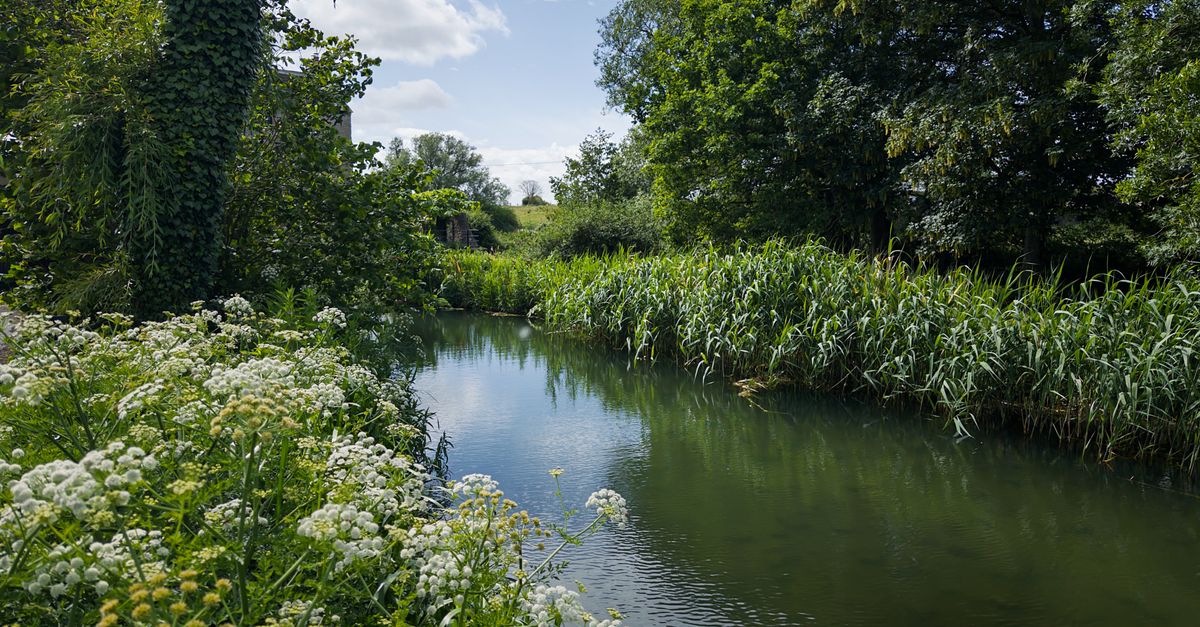
The chalk streams of Hampshire host brown trout (Salmo trutta) tuned to the last sliver of civil twilight; anglers on the Test and Itchen know when the surface suddenly comes alive. New LED streetlights around car parks and bridges shift dusk spectra toward blue-rich tones and steady output, and that spectral change scrambles the natural cue that tells trout it's safe to feed.
Blue and green wavelengths affect trout activity, digestion and nervous responses more strongly than red, so a river that remains coloured by artificial blue light can see rises delayed or moved into shadowed pockets among weedbeds and margins. Shallow glides and weed edges become the most sensitive spots; fish retreat from a uniformly lit surface and pick off prey where contrast remains.
Practical bank notes for chalk-stream anglers
Best dusk periods are the final minutes of civil twilight; fishing those last contrasts still works when lights are absent. On the Itchen a Cefas study stream has already shown wild trout behaviour shifts where lighting differs. Tactics change: fish quieter runs, watch bridge-ends and reach for polarised sunglasses to read subtle surface cues, and use stealthy approaches around car park lights.
Night falls with a trout rising in a small, dark pocket beneath an overhang while sodium lamps and LEDs hum beyond the alders, a single silver flash against altered sky-colour.
Recommended: felt sole wading boots