
Three twilight headlands for sea bass topwater on the Lizard Peninsula
Bass Point drops to 15m within a cast of the NCI lookout
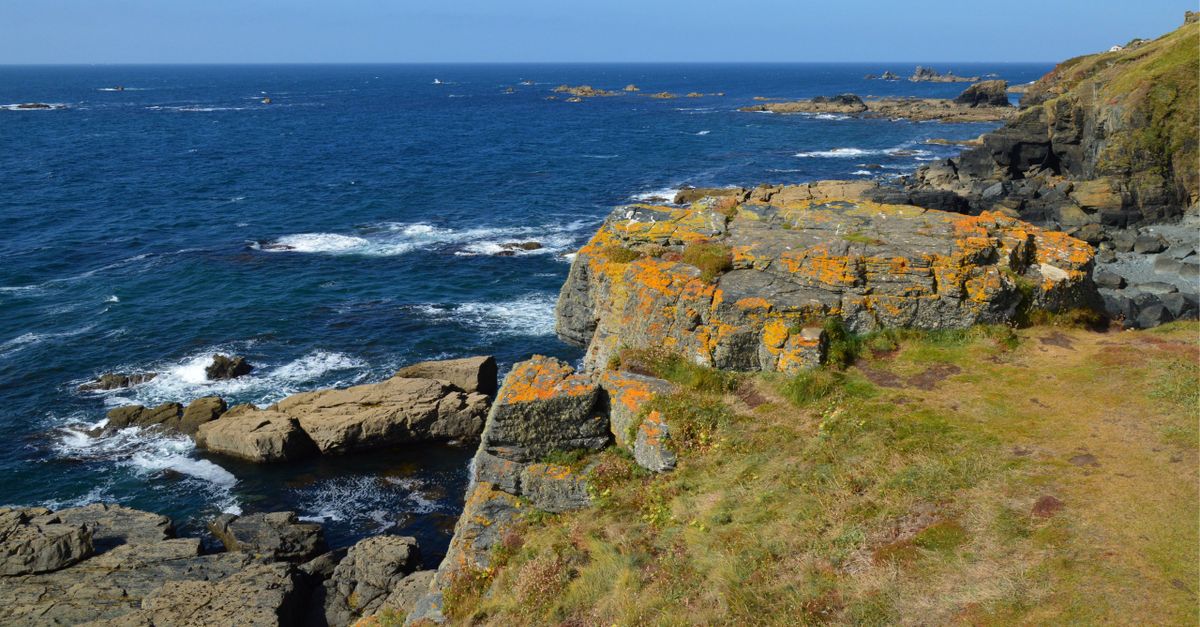
On the Lizard Peninsula, Bass Point and neighbouring Pen Olver form a south-facing choke where kelp-filled gullies funnel bait and ambush predators into tight lanes. Sea bass move in at dusk to pick off pollack and wrasse stirred by the tide; clear deep water and abrupt ledges make topwater work deadly when the swell settles.
Housel Bay hides a different kind of lie. The sandy beach gives way to rocky gutters north of the valley, 3–6m edges where sand shifts after storms and bass hunt over weed and rock shelves. Expect 2–5kg fish and the odd conger in deeper pockets; the gutter's darker water lines are where surface plugs come alive.
Gear and dusk approach
Fish 7–9ft surf rods with 20–30lb main and 12–14cm topwater plugs of 30–45g to reach the breaker and land on darker lines. Cast just beyond the foam, retrieve with erratic twitches to imitate trapped mackerel, and watch for the telltale slow roll of the kelp as the tide turns.
Reading swell means finding the seam: where clear water meets churn, where ledge contours and kelp form a corridor. At true dusk a single splash will lift off the headland—plug gone, bass gone back to the dark—spray arcing over serpentine rock as the coastline goes quiet.