
Evening pollack & saithe tactics
Mullion Cove and Lizard Point hold pollack and saithe hunting tidal edges at dusk
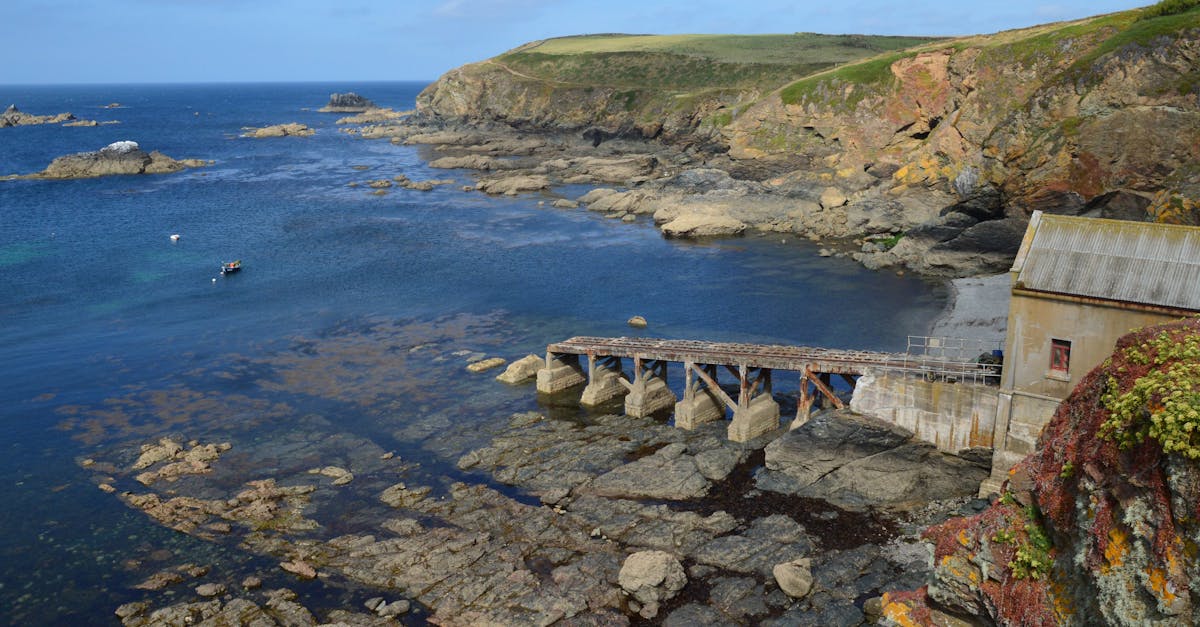
Mullion Cove, Porthallow, Lizard Point and the outer edges of Mount’s Bay are known marks where pollack and saithe patrol drop-offs as the tide runs out. These fish key on the dark rims and channels where current strips plankton, shrimps and young herring off reefs into a narrow band.
The evening tide turns those bands into a moving buffet: food is concentrated and half-light gives predators cover. Saithe tends to take midwater on the drift, pollack strikes hard at the actual edge of the drop, often 3–10 m above reef or off the seabed.
Best metal patterns and retrieves
Think small schools, not single bait. Use a metal jig that copies sandeel and clupeid profiles: slim silver jigs with blue backs or mackerel finishes. Slim jig spoons that fall fast and flash between 6–15 m work well. Casting jigs 25–45 g send lures past breaking waves; on deeper or stronger ebb pick 40–60 g, on shallower reefs 20–30 g. A paddle-tail on a 20–40 g lead head gives a softer, lifelike option when fish are wary.
Retrieve: let a fast fall run 2–4 s, two or three short strips, then pause. That cadence imitates an evening school breaking up. Fish the last hour of ebb and the 1–2 hours before dusk, concentrating on outer rock edges, channel lips and where current cuts dark seaweed patches.
Practical kit: 2.7–3.0 m rod rated 20–60 g, braid 0.10–0.14 mm, fluorocarbon leader 0.35–0.45 mm and a selection of metal jigs and spoons. A single silver flash at sunset over Mount’s Bay often ends with a rod bent and a pollack airborne under the last strip of light.
Recommended: soft paddle-tail lure