
The Lost Keeper of the Itchen
Compton Lock's three-metre gravel seam and the Lost Keeper
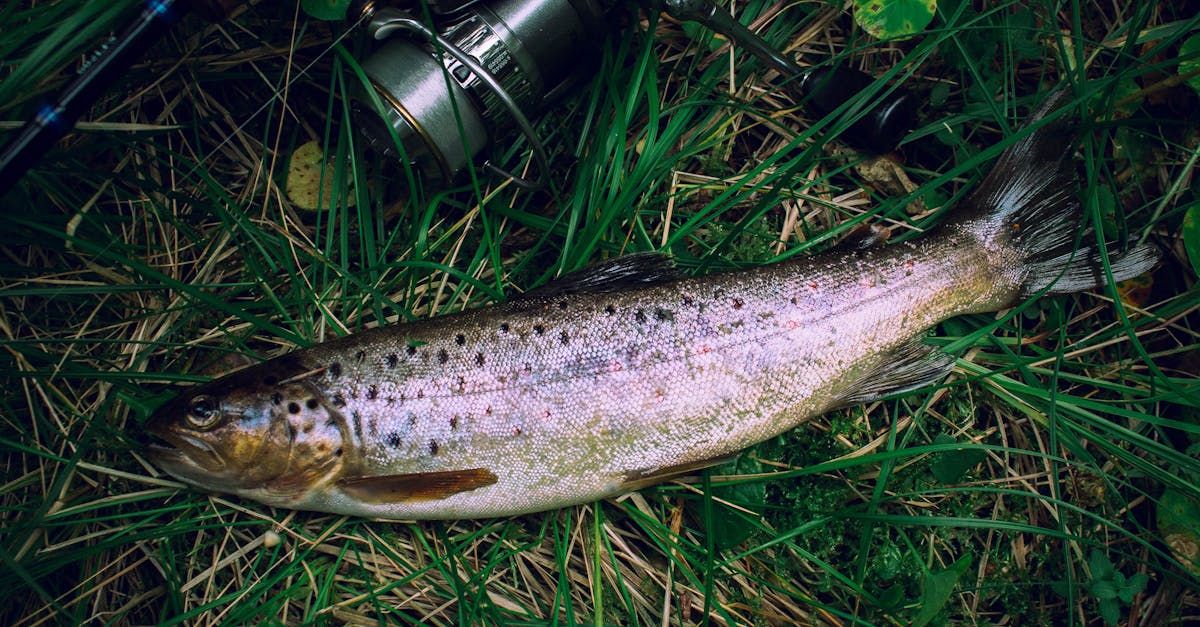
On the Winchester stretch below Compton Lock a gravel run no wider than three metres kept a secret for decades. The story names a single brown trout, Salmo trutta, that slid back into that seam each spring as if the river itself remembered where it lay.
The keeper, a taciturn man from the mill, spoke of late-October spawning and the fragile math of trout eggs—two hundred to two thousand tucked neatly in a redd—and of fish that rarely ranged beyond a football field of water. In chalkstream clarity the creature was visible on warm afternoons at depths of around 0.6 to 1.5 metres, a bronze flash against clean gravel.
The fly and the method
He swore by one pattern: a slim wet imitation tied sparse, a small nymph fished dead-drift on size 14–18 hooks. The local favourites fit the bill—pheasant-tail nymph, partridge-and-orange or a tiny olive emerger—tied and trimmed to disappear beneath current seams. The keeper favoured an 8-foot 6-inch rod setup on a #3 line, casting quietly into the crease and letting the drift do the work.
Folklore kept a flavour too. After a spring take the trout might be scaled, briskly pan-fried with Hampshire butter and parsley or smoked like a modest country trout to feed a few friends—not a festival, just a kitchen lit by coal and river light.
On a low, bright April evening the seam darkened as the fish slid home and the keeper, motionless, tied on a size 16 pheasant-tail nymph and watched the line who whispered before the bend tightened into a truth the river always told.
Recommended: lightweight fly rod