
March chalk‑stream brown trout: spring spin‑up and kelt awareness
March chalk‑stream brown trout: a spring spin‑up and kelt awareness
Seasonal cue and a surprising synchrony
On iconic UK chalk rivers such as the Test, Hampshire Avon and Wye, late‑winter warming, rising daylength and groundwater stability combine to produce remarkably synchronized early‑spring insect emergences. These “March spin‑ups” — notably Rhithrogena (the so‑called March brown), Baetis (blue‑winged olives) and early caddis — arrive in tight, localised pulses because chalk aquifers keep temperatures steady across catchments. The result is short, intense feeding windows that can occur on several separate chalk streams within days of one another.
Kelts versus feeding trout: reading the signs
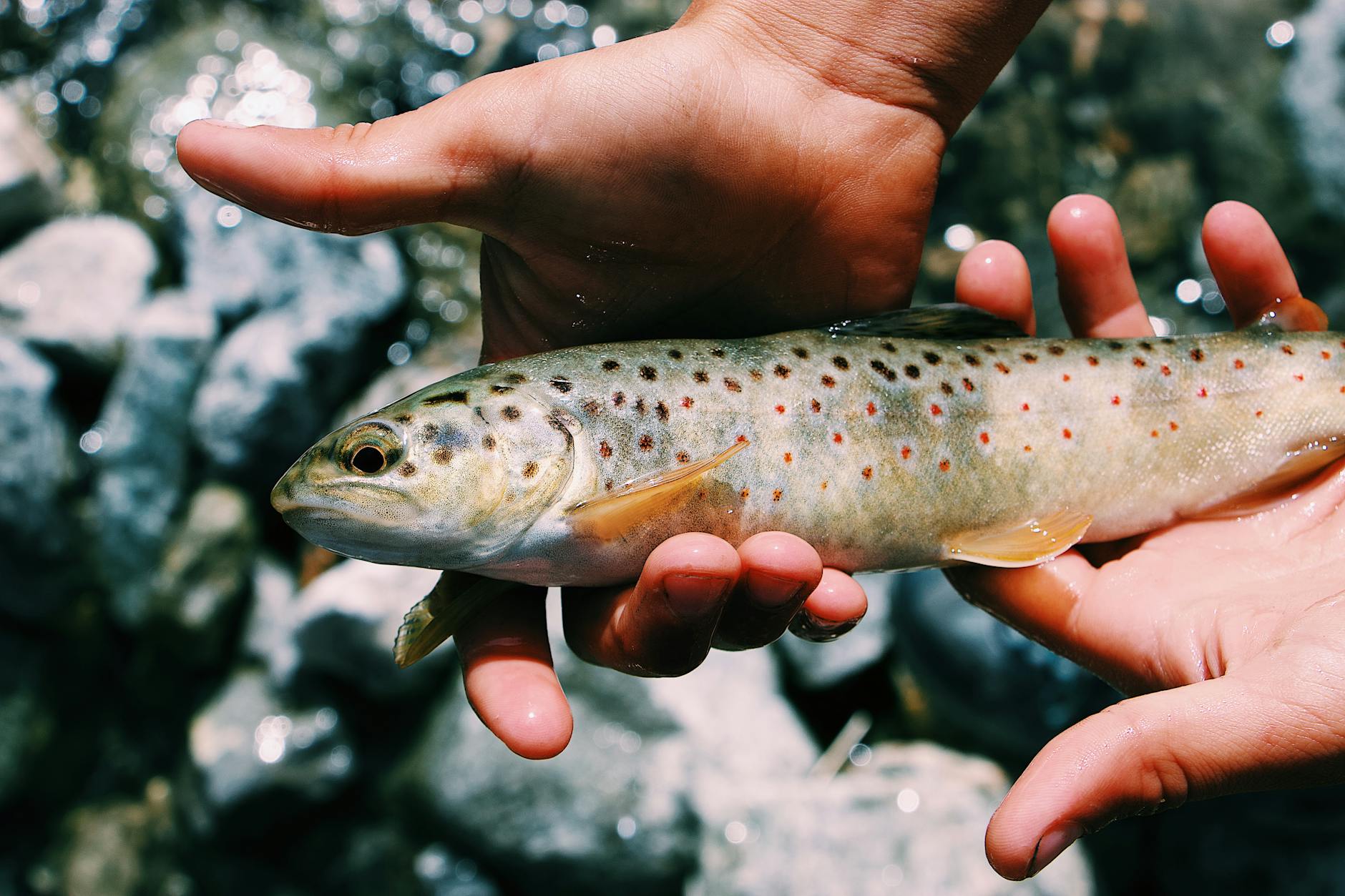
Anglers should distinguish spent, post‑spawn fish from genuinely active feeders. Spent trout (kelts or heavily spawned residents) show pale gill covers, ragged fins, sunken flanks and tentative, irregular rises; feeding fish present clean flanks, quick, selective sipping and lie confidently in riffle tails. Misidentifying kelts risks exhausting already stressed fish in cold March waters.
Delicate tactics and seasonal ethics
Best practice on small chalk streams is a minimal, respectful approach: small emerger and CDC patterns, fine tippets (5–6X), long leaders, and dead‑drift mends to keep presentations drag‑free. Short fights, wet hands, rubber nets and in‑water unhooking reduce mortality. Ethically, anglers are encouraged to avoid playing visibly spent trout and to prioritise gentle release and riverbank stewardship during the fragile March recovery period.