
March on the chalkstreams: resident vs sea‑run trout
Spring visitors: the lesser‑known behaviour of sea‑run trout on chalkstreams
Spring behaviour and spawning triggers
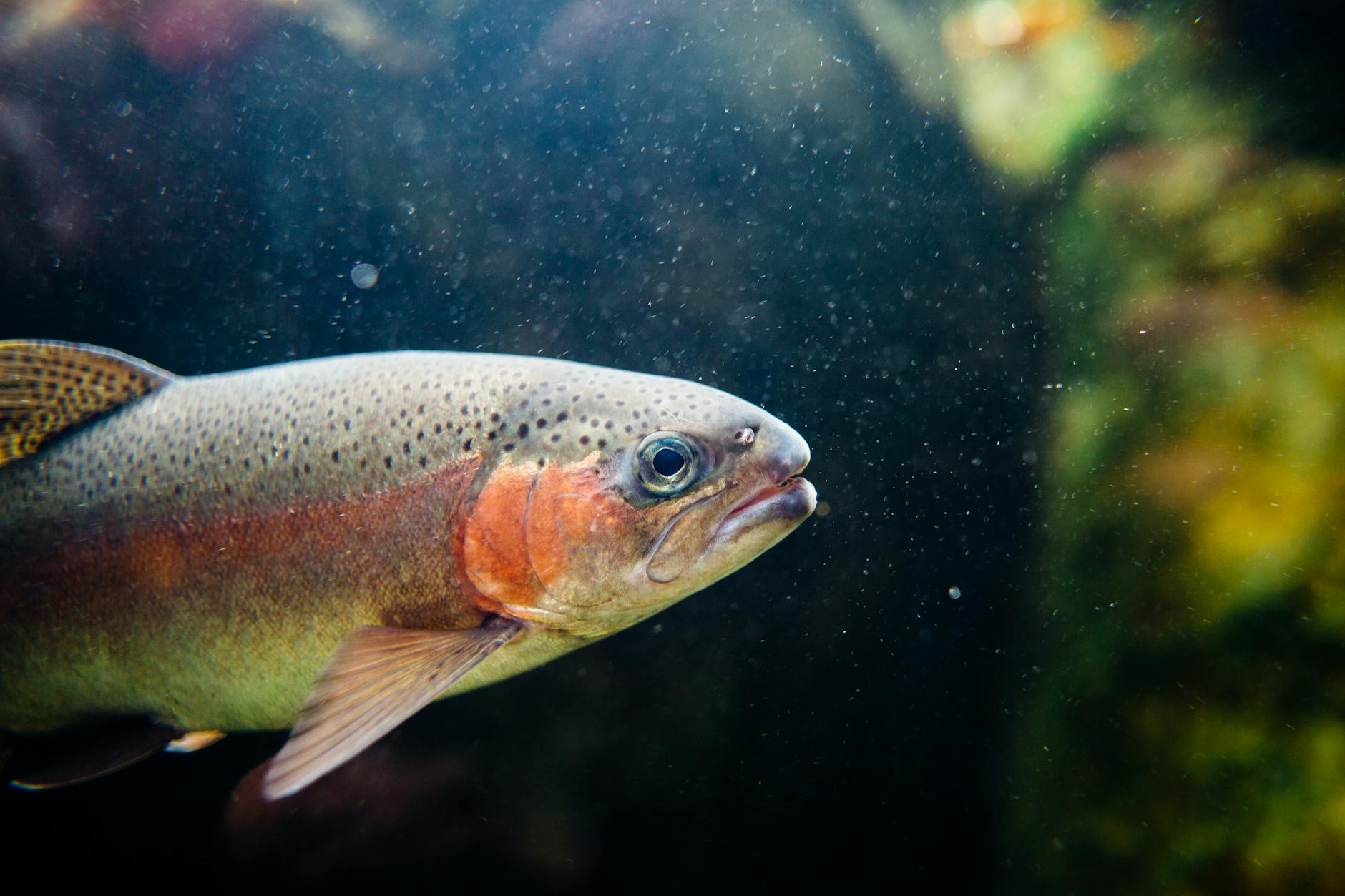
On southern chalkstreams such as the Test and Itchen, resident brown trout and early sea‑run trout coexist in March but behave very differently. A surprising, lesser‑known fact is that many sea‑run trout enter chalk rivers in early spring primarily to feed and recondition rather than to spawn immediately; photoperiod and subtle temperature shifts drive movements, while spawning itself remains an autumnal trigger.
Telltale cues: spotting upstream migrants
Upstream migrants can be identified by silvery flanks, deeper body condition, scarred or abraded fins from the marine phase, and, in some males, early kype development. In contrast, residents display barred parr marks and occupy riffle tails and pocket water; migratory fish prefer deeper glides and lies near cuts where they can conserve energy.
March fly patterns and drift presentations
Resident trout respond best to delicate dead‑drifted emergers and small nymphs (pheasant tail, hare’s ear) presented upstream. Sea‑run visitors often take larger, swung wets and bulkier nymphs with subtle weight (olive or black bodied patterns, shrimp imitations) offered in deeper glides and on cross‑stream drifts.
Case study: a Hampshire tributary
A day on the River Anton in March demonstrates the contrast: small resident browns rose to duns in shallow riffles while a fresh sea‑run trout, identifiable by its silver flanks and a faint kype, held in a deep glide and took a swung black wet. Recognition of these cues alters approach and markedly increases success on classic chalkstreams.