
March Cornish Bass: DIY braid-to-mono shock leader & paternoster kit
March Cornish Bass: DIY braid-to-mono shock leader & paternoster kit
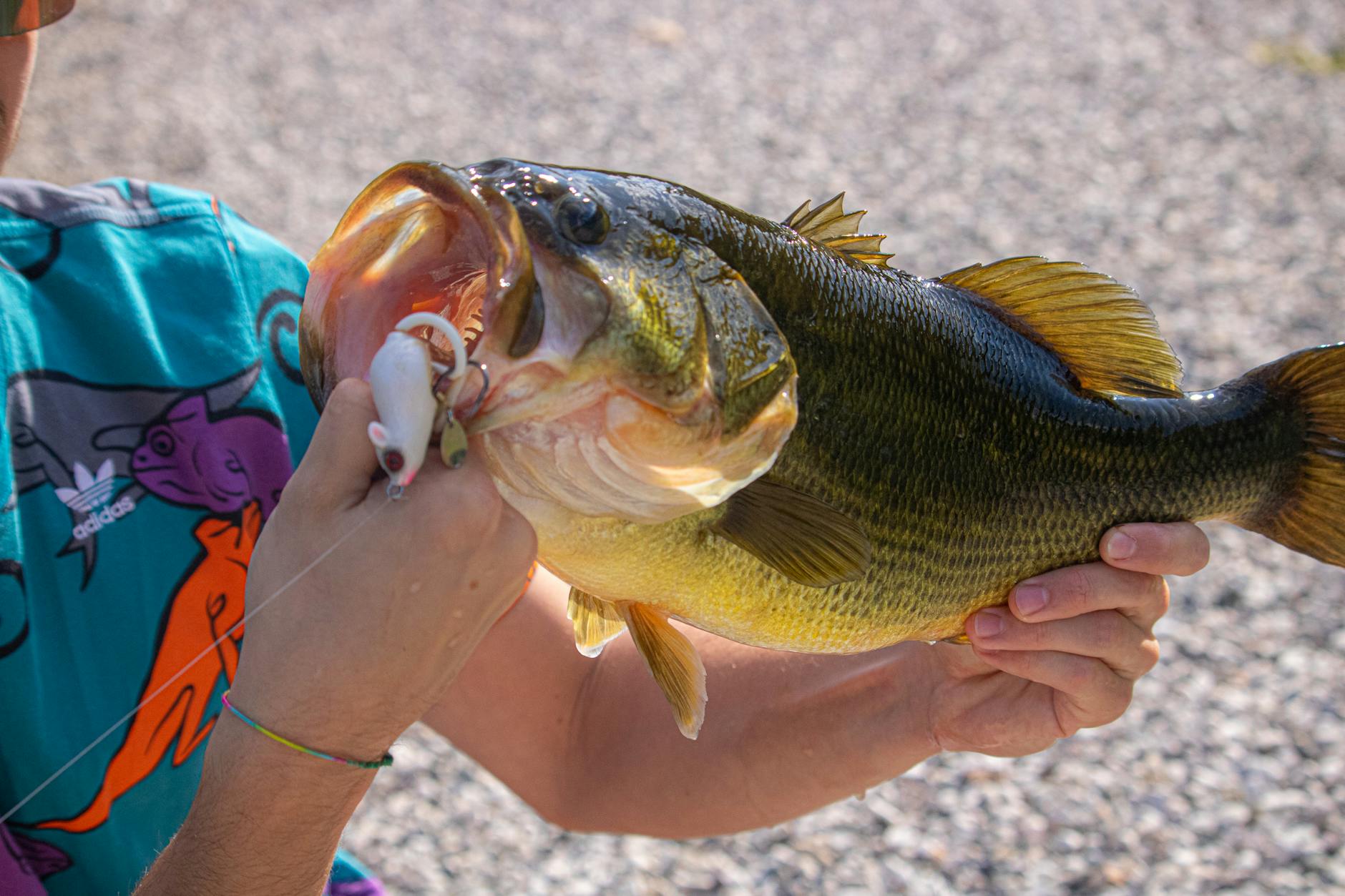
One surprising fact
On Cornwall's spring tides in March, peeler crabs frequently moult in concentrated pockets off beaches such as Perranporth and Sennen, creating short-lived but intense feeding windows that make soft‑shelled crab traces disproportionately effective for shore bass.
Materials
Essential kit: 15–30 lb braided mainline (0.18–0.30 mm), 40–80 lb mono shock leader 1–2 m (18–36 kg), 15–30 lb fluorocarbon traces for ragworm, 50–60 lb fluoro/mono for peeler crab traces, micro ring swivels, quick-change snap swivels, bead stops, paternoster arms (60–90 cm) and assorted hooks (size 1–4, 1/0–2/0 for crab).
Splices & knot choices
Low‑profile joins: the FG or Uni‑to‑FG style gives the best casting and abrasion resistance for braid‑to‑mono. Albright or double uni provide fast, reliable joins for field repairs. Palomar for braid‑to‑hook and improved clinch or uni for mono/fluoro hook connections.
Quick‑change traces
Build loop‑to‑loop or use micro snap swivels for instant trace swaps between peeler crab and ragworm. Crab traces benefit from short, stiff 50–60 lb fluoro segments and strong 1/0–2/0 hooks; ragworm works best on 20–30 lb fluorocarbon with smaller hooks and a gentle loop to allow natural bait movement.
Reel drag & rod action
Set reel drag to roughly 25–35% of the shock leader's breaking strain so the heavy mono absorbs tide surges while allowing bass to run. Match a medium‑fast beach rod (12–14 ft) with a progressive butt to anchor fish and a forgiving tip to protect thin hooks during explosive early‑season runs.