
March grayling surge on River Dever
Chalk-stream hidden gem: March grayling run on the River Dever
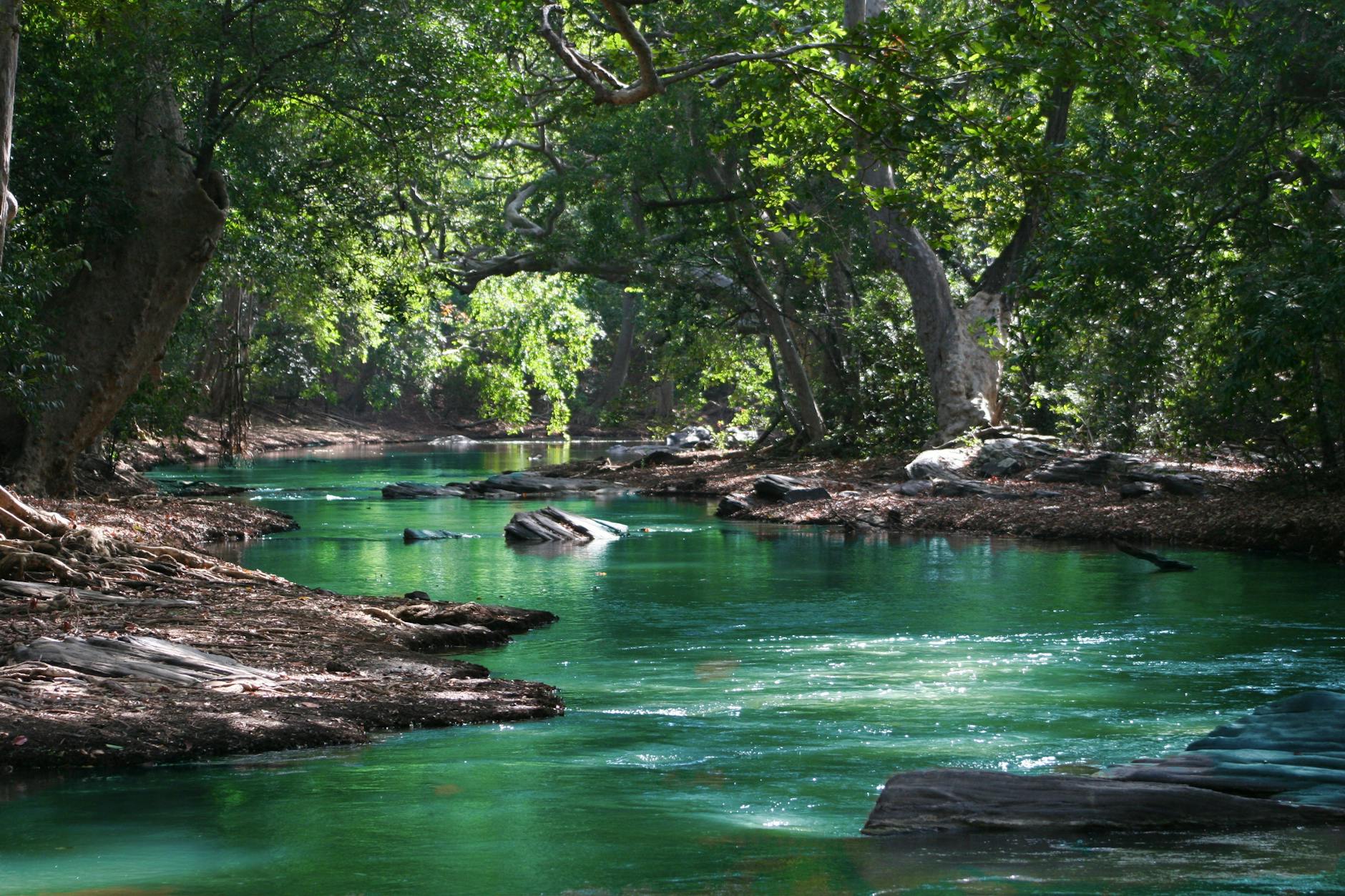
Reading the rise after winter storms
On Hampshire's River Dever, a chalk-stream tributary of the Test, late winter spates often trigger compact ‘‘grayling surges’’ in March when flows fall back quickly. Observers read the rise by noting how coloured water peels off riffles into bright glides, watching for newly-scoured gravel tails, foam lines and exposed weed edges that collect drift. Clear, falling water the morning after a storm creates the best window: high oxygen from turbulence yet shallow, revealing seams where European grayling (Thymallus thymallus) actively feed.
Flies that outfish nymphs in cold riffles
In cold, clear March riffles small dries and emergers can trump weighted nymph rigs. Effective imitations include sparse CDC emergers, pale grey Baetis-style dries and compact sedge-spider patterns in sizes 14–18. Ties that sit lightly on the surface and present a subdued silhouette tend to provoke more visual takes from wary grayling than heavily dressed nymphs dragged through pocket water.
Stealth wading and local access etiquette
Stealth is essential: approach along downstream margins, lower the profile by kneeling or using a short step, and use established winter tramlines to avoid bank damage. Many Dever beats are privately owned; respectful etiquette — seeking permission from estate keepers, buying day tickets from local tackle shops and adhering to posted beat rules — sustains access. The scene recalls the heritage of Izaak Walton's chalk-stream tradition, and late March remains prized for sight fishing as grayling shift into shallow riffles and rise to emergent midges before the main trout season intensifies.