
March sea trout: holding pools and riverfly cues
March sea trout on western rivers: holding, feeding and recovery
Overview
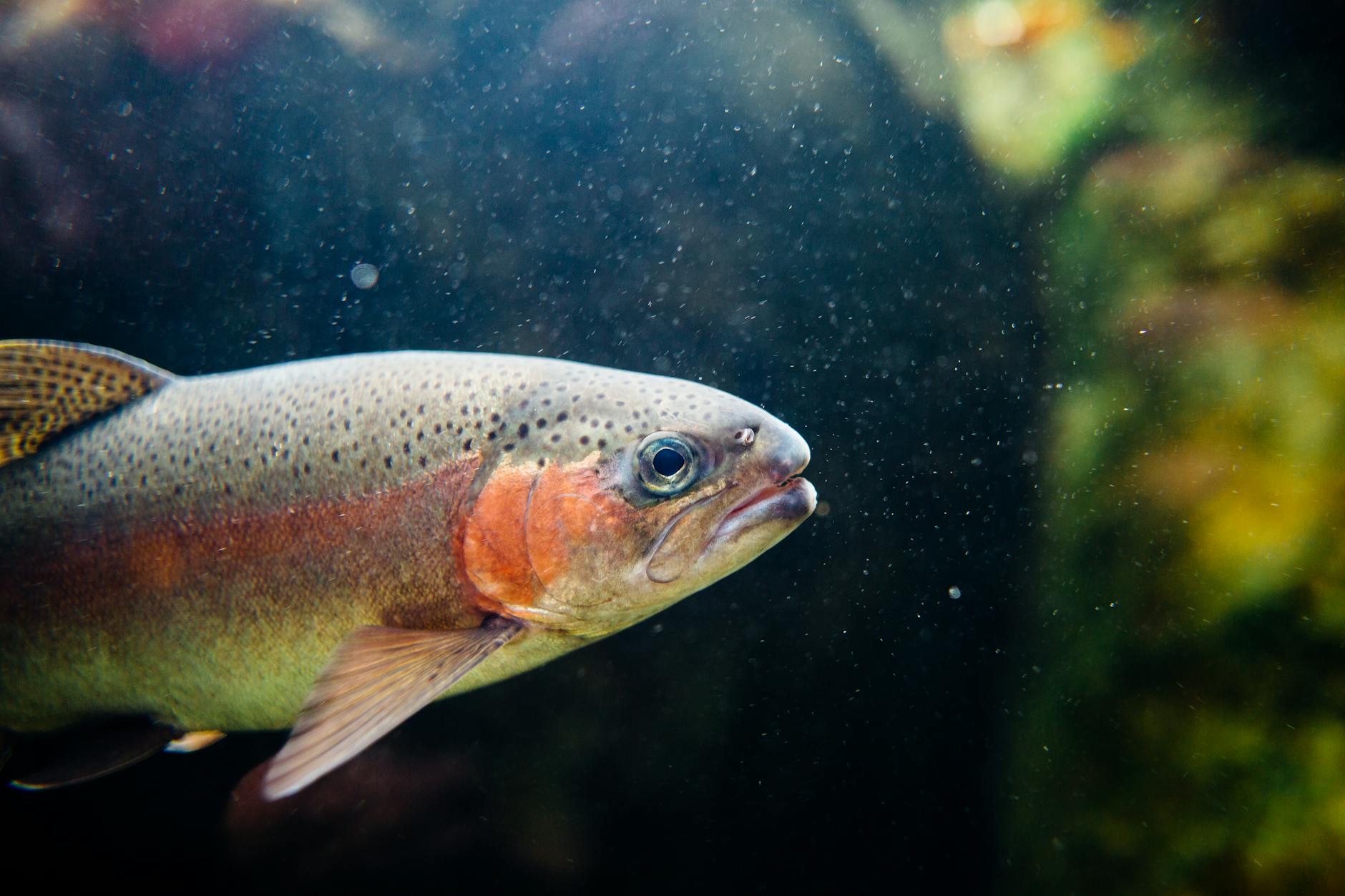
Sea trout visit western United Kingdom rivers in March in a transitional phase between winter torpor and the full spring run. Many fish arriving from coastal waters congregate in deep tailouts, estuarine holding pools and behind large boulders or undercut banks where tidal influence mixes with fresh flow. Post-winter kelts use these productive margins to rebuild condition before committing to upriver migration.
Where March fish congregate
On systems such as the Severn, Wye, Exe and Dart, March concentrations are predictable: low-gradient tailouts at riffle ends, estuary channels with outgoing tide slack, and sheltered backwaters off main flow. Smaller beats on the Hampshire Avon and mid-Wales tributaries show similar patterns, with fish holding where current accelerates food delivery but offers refuge from full flow.
Best small wobblers and soft-plastics
Compact wobblers and light metal spoons in the 2–6 g range, rigged for a slow, irregular retrieve, imitate early-season shrimp and small fry. Soft-plastics of 2–3 inches—micro shads, grub tails and mini tubes in pearl, olive or brown—work well when bounced near the substrate. Subtle, low-contrast presentations and night-to-dawn retrievals often out-fish bright patterns in March.
Riverfly activity as a spring signal
Emergence of Baetis mayflies, early caddis and pulses in freshwater shrimp (Gammarus) are reliable indicators of feeding opportunity. Riverfly monitoring across the Wye and Severn catchments has long shown that spikes in invertebrate activity frequently precede the main spring sea trout run; increased riverfly counts in March therefore signal both a recovering kelt population and a likely uptick in upstream migration soon after.