
May Dawn Bass Windows
Portland Bill's first high tide at 8:07am turns reefs into a feeding highway for sandeels and bass.
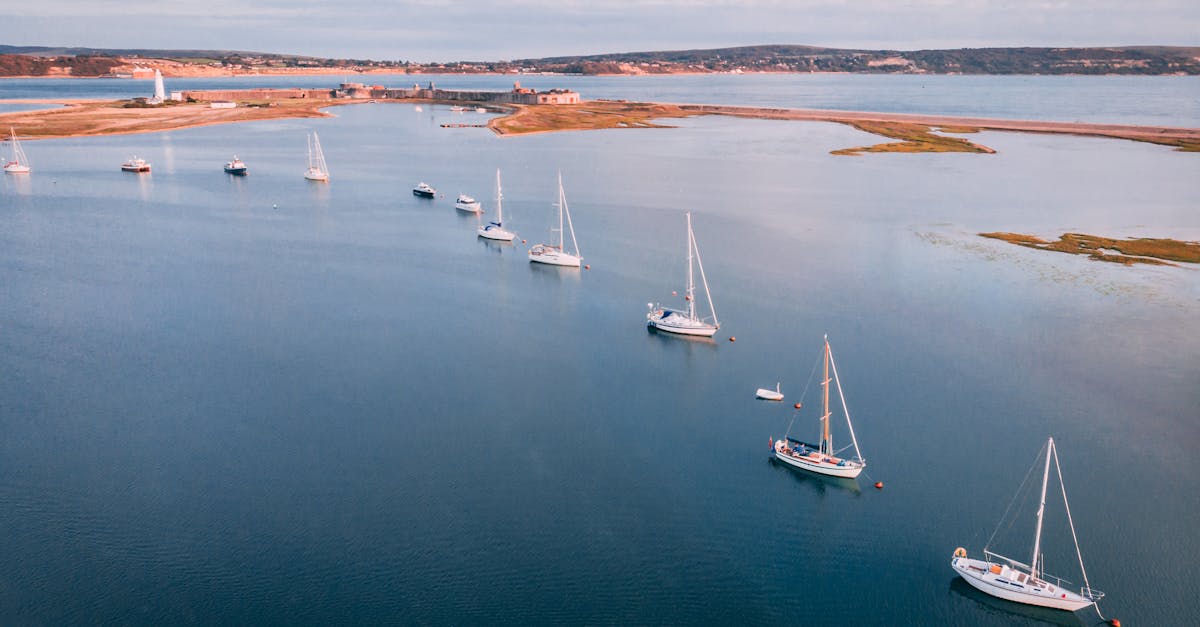
May dawn in the Solent and around Portland Bill is a classic bass window. School bass push with the first of the flood and the last of the ebb, chasing mackerel and sandeels into creek mouths, harbour entrances and tide seams. Key marks lighting up are Keyhaven and Hurst Spit, Lymington marsh edges, Langstone Harbour mouths, Chichester channels, plus Lepe and Calshot shore marks.
Tide timing matters: the prime bait pulse runs two to three hours before the morning high and through the first hour after sunrise. If dawn falls near 05:00–06:00, anglers are fishing the build, not slack. At Portland Bill the tide race can pin bait over shallow reef edges when a south-westerly push builds; in the Solent expect fish in 0.5–2.5m where fry get trapped against creek mouths.
Morning rigs and fresh reports
Recent local boat skippers and shore beats are reporting sandeel spikes and early mackerel ballots along the Hampshire shore. Seasonally, May favours moving water; bait pulses are strongest on the first flood and the last ebb. Shore tackle that is light and precise wins the early takes, while boats work the 2–8m broken ground for pollack and stray bream.
Shore sessions work best with a 9–10 ft light lure rod rated 10–35g, 10–15 lb braid and a 15–20 lb fluorocarbon leader of 1–1.5m. Cast slim 10–12 cm sandeel shads, 7–12 cm hardbaits or small surface stickbaits into tide lines and creek mouths on the first flood pulse. When water clears go finer; if it’s coloured, upsize lures and leader. First light often brings a chrome flash and a rod bent low as a bass smashes a sandeel shad off Hurst Spit or the Bill.
Recommended: Fluorocarbon leader 15-20lb