
May Chalk‑Stream Dry‑Fly Briefing
East Lodge beat on the Itchen shows the first pale rises at dawn
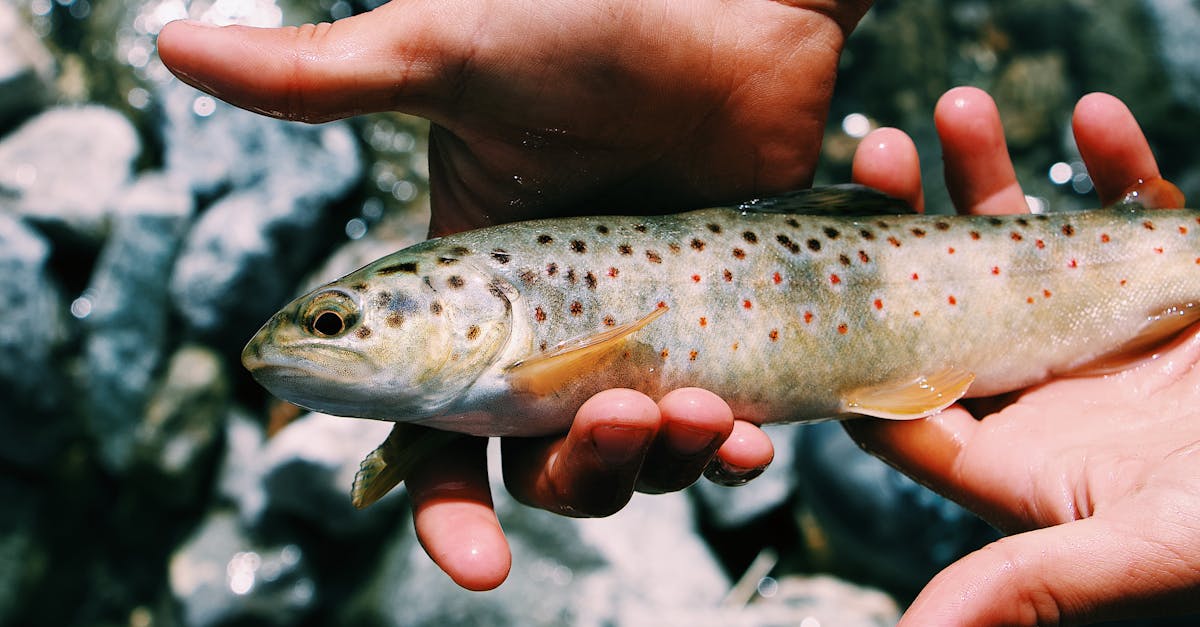
Brown trout are the priority in a May chalk‑stream dry‑fly window on the Test and Itchen; grayling become an option later as water warms. Hatches centre on mayfly with intermittent sedge activity; the real action sits on glide‑riffle seams where oxygenated flow meets slack water.
Where to look this morning
Focus the search on the soft inside edge of a seam, fish holding in 6–18 inches of water. Downstream edges of weedbeds, undercut banks and slow cushions behind streamer weed are classic cold‑morning lies. Flat water with a pale tint and intermittent dimple rises is the local read for a dry‑fly window.
On the Itchen, estate beats near Winchester—East Lodge among them—offer long clean water where careful presentation pays. On the Test, pick seams that show a faint line of foam or a subtle current break; trout will sit just off the fastest push rather than in it.
Tactics and tackle
When conditions are cool or overcast, favour smaller imitations: Iron Blue, CDC elk size 16, or a red sedge in size 12. Expect the main mayfly hatch to pulse later in the day, so the morning call is for delicate patterns and stealth. Use a 6 lb tapered leader, stepping down with about 15 inches of 3.5 lb fluorocarbon for tiny dries.
Reads change with light and temperature. A single pale rise on an inside seam at first light often marks the best beat; a trout slipping the surface beside a weed cuff is the kind of moment the chalk streams are famous for.