
Minimalist March beachcasting kit for early-season bass
Minimalist March beachcasting kit for early-season bass
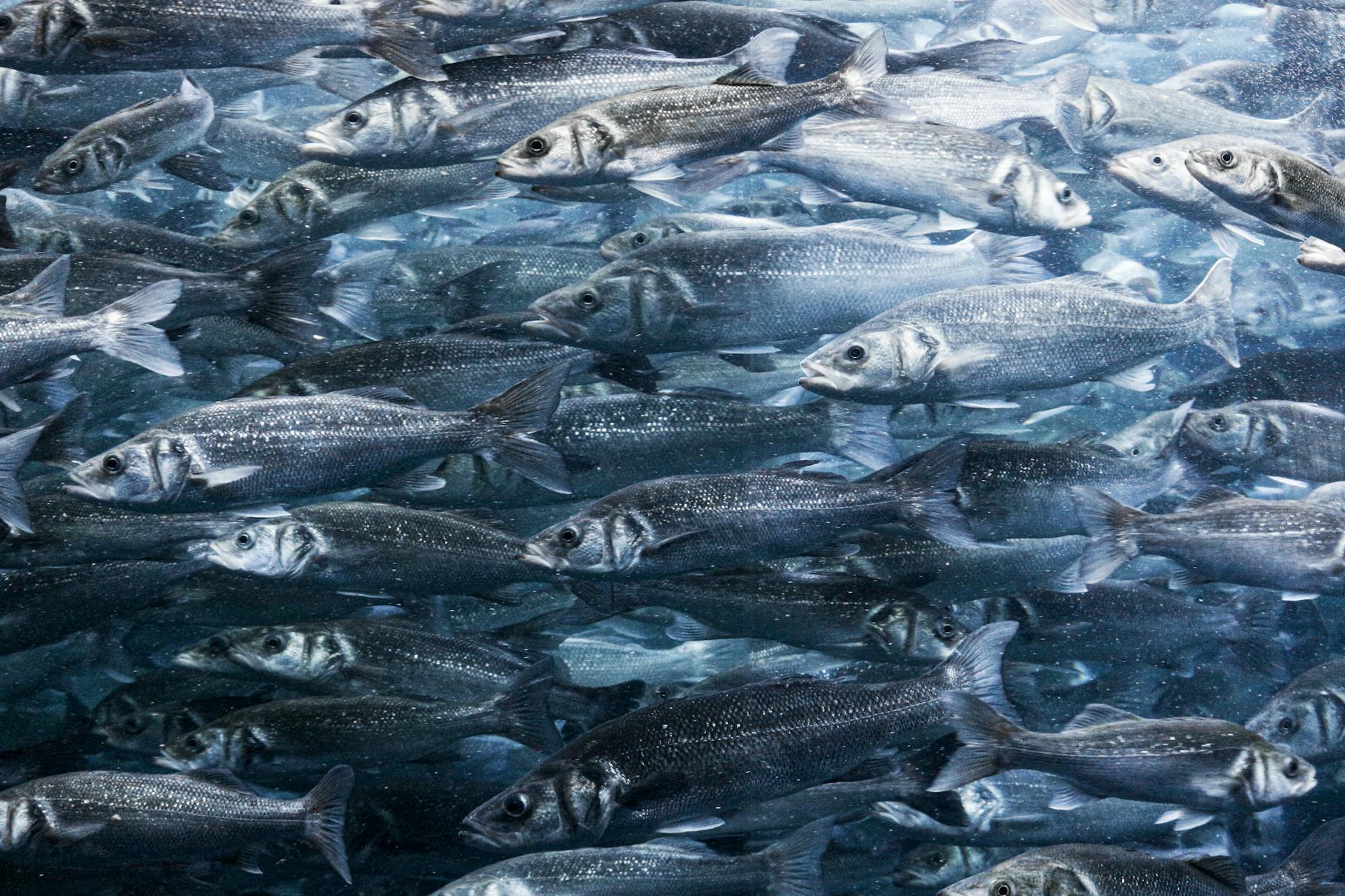
Lesser-known fact: stretches such as Chesil Beach and the approaches to Portland Bill can act as natural current funnels during spring tides, concentrating early-season sea bass in surprisingly tight zones—an effect exploited by traditional UK surfcasters since Victorian times and noted in angling literature stretching back to Izaak Walton's era.
Rod and reel pairing
A compact, wind-friendly setup is essential for blustery March conditions. A 12–13 ft fast-action beachcaster rated 2.5–4 oz cast weight gives control in crosswinds while keeping line angle low. Pair with a 6000–8000-size sealed-spool reel designed for braid; a smooth carbon-fibre or sealed-drag unit helps manage long tidal runs without excessive bulk.
Braid-to-fluorocarbon shock splice
For a low-profile, strong join use a 60–120 cm tapered fluorocarbon shock leader joined to braid with a double‑uni backed up by a short length of heat‑shrink tubing to streamline passage through guides. A 2–3 metre taper from 40–80 lb down to 20–30 lb helps absorb tidal shock on pebble beaches like Chesil.
Homemade anti-tangle trace
A simple anti-tangle trace: 30–50 cm of stiff mono or heavy fluorocarbon (30–50 lb) with a small stiffer boom of 10–15 cm nylon inside a 3–4 mm heat‑shrink sleeve, crimped to a high-quality swivel. The boom keeps lures clear of the main leader on the cast and during wind-driven returns.
Lures for choppy spring tides
March surf calls for weight and vibration: 40–80 g metals cast deep into tidal seams, 90–120 mm weighted soft plastics on heavy jigheads for hugging the bottom, and small pencil or twitching lures for topwater snaps in clearer patches near the Isle of Wight or Portland Bill.
Cold-weather reel care
To keep drags smooth during tidal runs, rinse freshwater after sessions, lightly oil external bearings, apply thin drag grease to washer stacks and store reels with the drag slightly loosened. A neoprene cover and desiccant in the reel case reduce salt corrosion between trips along exposed coasts such as the Thames Estuary and the Severn approaches.