
MMO catch-limit review: pollack changes and inshore tactics
April 2026 MMO catch-limit review: pollack changes and inshore tactics
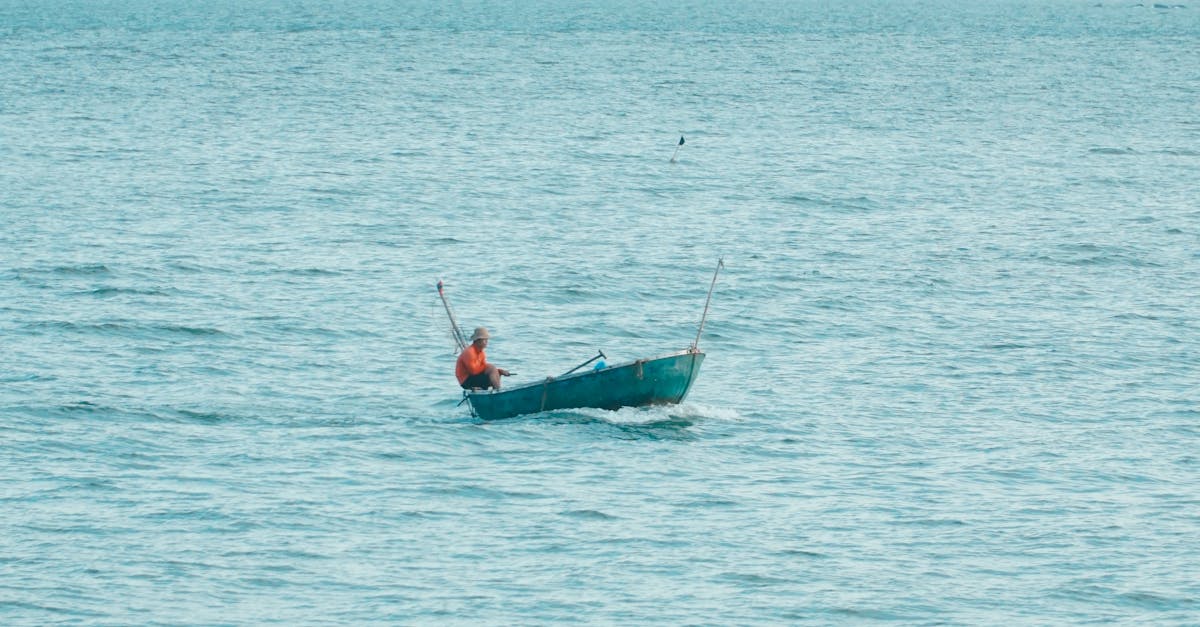
The April MMO consultation proposes reduced pollack retention for vessels under 10m operating in English inshore waters. Anglers should anticipate tighter limits and adapt by switching marks, adjusting rigs and targeting alternative species. Pollack typically hold around kelp, wrecks and reef edges in 10–40m and show most activity at dusk and on tide changes.
Adjusting tackle and baits
Shift to lighter presentations: 15–25lb braid with a 20–30lb fluorocarbon leader, smaller hooks (size 2–1) and soft plastic lures of 10–30g for realistic profiles. Micro-jigs 20–40g fished vertically on wrecks replace heavier pollack jigs; 40–80g metals suit faster reefs. Natural baits—peeler crab, mackerel strips and lugworm—remain effective for bass and thornback ray. For boat anglers, employ drift rigs and use circle hooks where possible to improve survival of released fish.
Where to target in April
South coast: Solent, Isle of Wight and Dorset reefs are prime for sea bass and mackerel in 5–25m with surface temps around 9–11°C. West Country: Cornish kelp beds, Lizard and Land's End banks favour bass and early-season mackerel in 8–10°C. East coast: North Norfolk, the Wash and Yorkshire flats hold whiting, plaice and residual cod in 20–50m where sea temps sit 6–8°C. Use a chartplotter and fishfinder to locate structure and fish tidal edges at slack-to-ebb transitions.
Sustainable practice and final tips
Check the MMO consultation details and local byelaws before departing, log catches accurately and release any pollack or undersize fish carefully. Small changes—lighter rigs, different baits and a move to bass, mackerel, whiting or rays—will keep trips productive while complying with new restrictions.
Recommended: portable sonar fishfinder