
Dusk Ambushes in Plymouth Sound
Drake's Island: the dusk ambush window in Plymouth Sound
Along the breakwater ends and the Mount Batten side a warm, low‑oxygen surface layer can sit atop cooler water, creating a brief dusk feeding window. That stratification is not a lake thermocline; here it is sculpted by flood and ebb and wind-driven mixing so the bite often comes around slack-to-light-moving water.
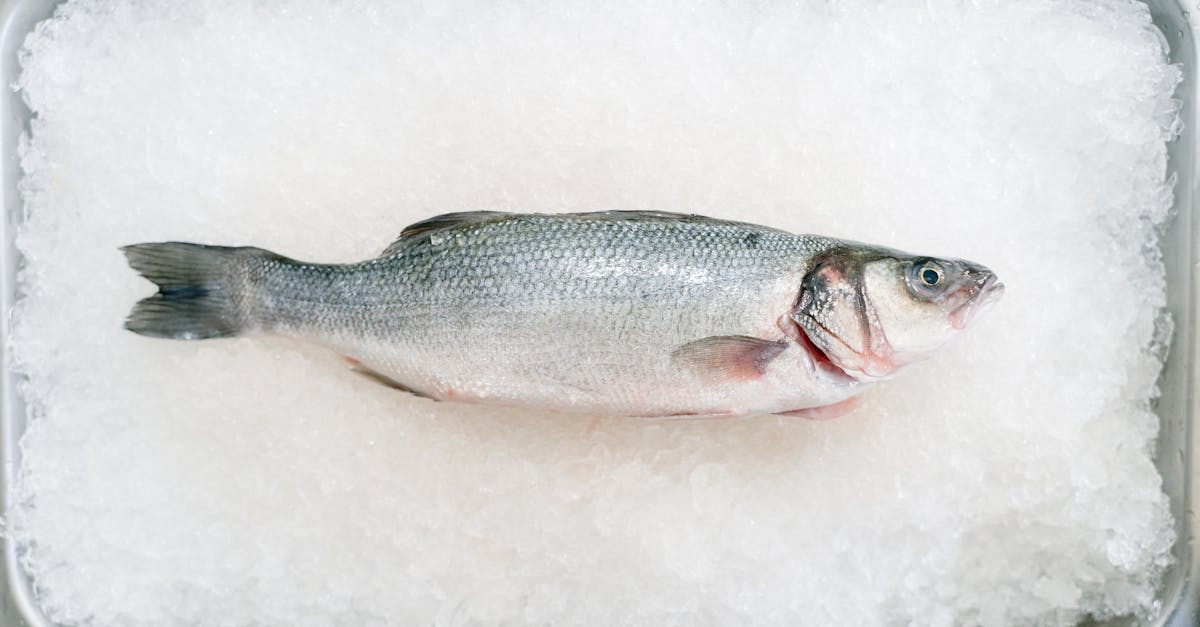
Sea bass (Dicentrarchus labrax) use drop-offs, outside channel bends and rocky points as ambush lanes. When bait is stacked at the interface anglers will see activity in the top 5–12 m; bass slide up from the cooler layer to intercept sprats and sandeels pushed along edges of the ferry and shipping channels toward Mewstone and Drake’s Island.
Pollack behaviour and structure
Pollack favour cleaner water, kelp beds and broken rock and hold a touch deeper by day. At dusk they move up from 8–20 m around rock-to-sand transitions to slash through sandeel schools and small sprats along reef edges. The pattern is short and sharp: concentration of oxygen, moving tide and structure.
Practical cueing matters. Start on the deeper edge and work shallower if bait is visible; use slower retrieves and slim profiles when the layer is thin. Carry a fishfinder and favour sandeel lures around headlands and channel margins. Expect the strike to come in a tight window at dusk; when the tide brushes the headland the ambush is unmistakable — a silver flash beneath the shadow of Drake’s Island.