
Portland Bill Bass Ambushes
Portland Bill and Chesil: how bass stage dusk ambushes
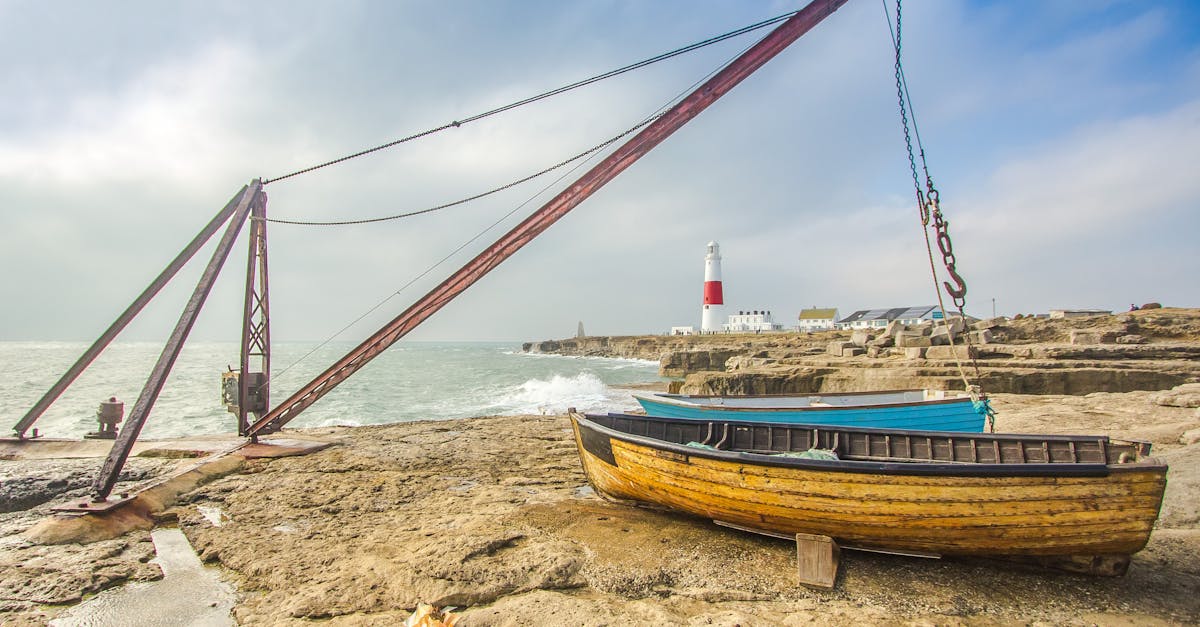
Portland Bill squeezes flood and ebb around the headland, creating races, eddies and slack seams that read like a map to Dicentrarchus labrax. On Chesil Beach the shingle fronts ledges that drop from 2–4 m into 6–12 m—gutters, troughs and reefy patches that force sprats, sandeels and juvenile mackerel into tight lanes. Bass sit on the up-tide side of skerries and stone fingers, waiting for the tide to deliver a meal.
At dusk the light slips and the bait becomes careless. The last hour of flood and first hour of ebb compress the bait lane into a narrow conveyor. Where fast water meets calm water a seam appears a few metres wide; that seam is a highway for predators. Casts across that seam reward slow, confident retrieves and quick, sharp sweeps when a boil appears.
Tackle and technique
Best kit is simple: rod: 9–11 ft lure rod, roughly 1–3 oz casting rating; main line: 15–30 lb braid; leader: 20–30 lb fluorocarbon. Lures: 4–6 in paddletails, needle lures, surface pencils or slim metal jigs. Retrieve on the flood with a slow roll, twitch-pause after sunset, or sweep across the tide seam. Fish obvious bottlenecks first—headland points, harbour mouths, outer reef edges.
Night on the Solent skerries reduces navigation to a rhythm of tide and sound: a skerry's current shadow, a twitch on the rod tip, then a boil at dusk as bass slashes through the conveyor and the moonlight sketches a silver arc across the water.
Recommended: soft plastic paddletails