
Reading dusk seams on the River Frome
East Stoke beat, River Frome — the seam at 20:15 in late May holds the risers.
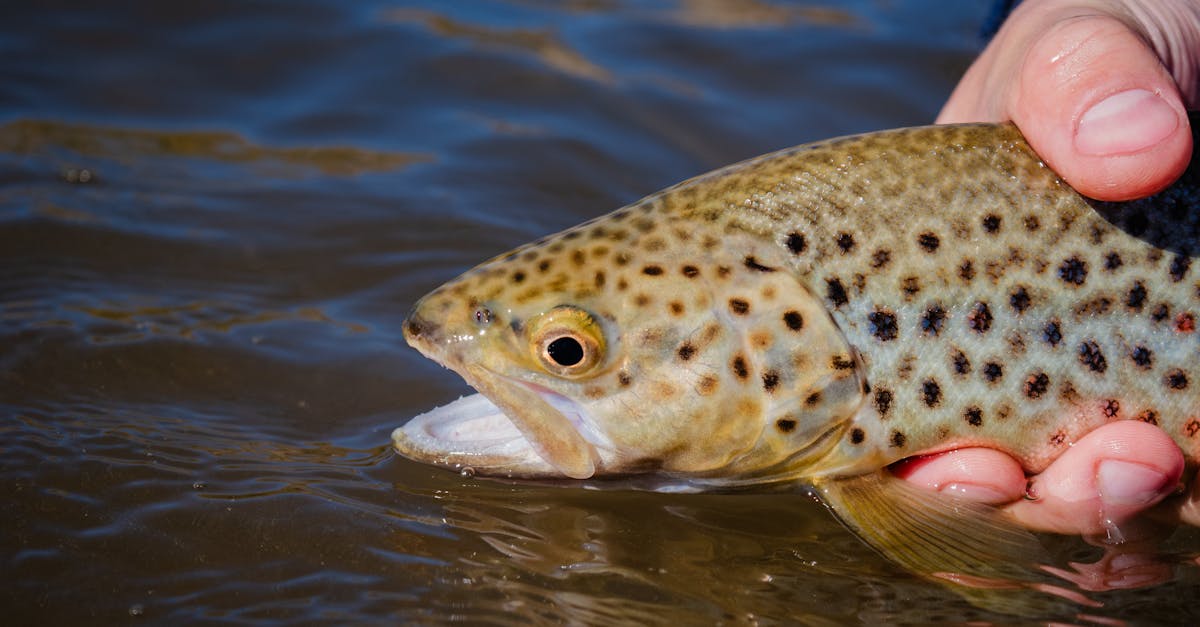
Glassy lanes between riffles, knee‑to‑waist deep, where overhanging alders throw shade. Brown trout—or 'brownies'—rise in a 2–6in slot along the seam edge. Prime window: May–June, low light after 20:00.
Line choice
Floating line is essential for dry and soft‑hackle control. A slick floating shooting line or Cortland Floating Streamer Series on a 7wt gives low stretch and neat turnover in the Frome's coloured flows. Match to a 9–10ft #3–5 rod for reach and soft mends. Mid‑arbour reel with a smooth drag set loose for short, bright runs.
Leader and knots
Use a 9ft tapered leader with an aggressive turnover—about a 5ft taper running from a 0.045in butt to 0X (16–20lb) fluorocarbon tip; Cortland Ultra‑Premium works well for abrasion and invisibility. Keep total line off the water with 9–12ft leaders. Butt‑to‑tippet joins with a 5‑turn blood knot or strong uni. Tie improved clinch for flies and spinners.
Subtle presentations
Dry: cast quartering downstream across the seam at a 45° angle. Size #14–16 CDC dun or elk‑hair caddis, dead‑drift with rod‑tip mends; lift gently on the strike. Soft‑hackle: swing a neutral #12–14 partridge soft‑hackle 2–6in under the surface; slow, 6in pulls with occasional kicks mimic crippled olives. Spinning alternative: silver Mepps Aglia size 3–4 cast upstream and drawn across the seam low.
Polaroids help spot seams on the Wareham stretches during daylight. Land fish quickly and revive them facing upstream in current.
Recommended: CDC dry fly pack