
Reading Itchen Currents
Fulling Mill estate's 2½-mile beat on the River Itchen opens sharp baetis windows every June.
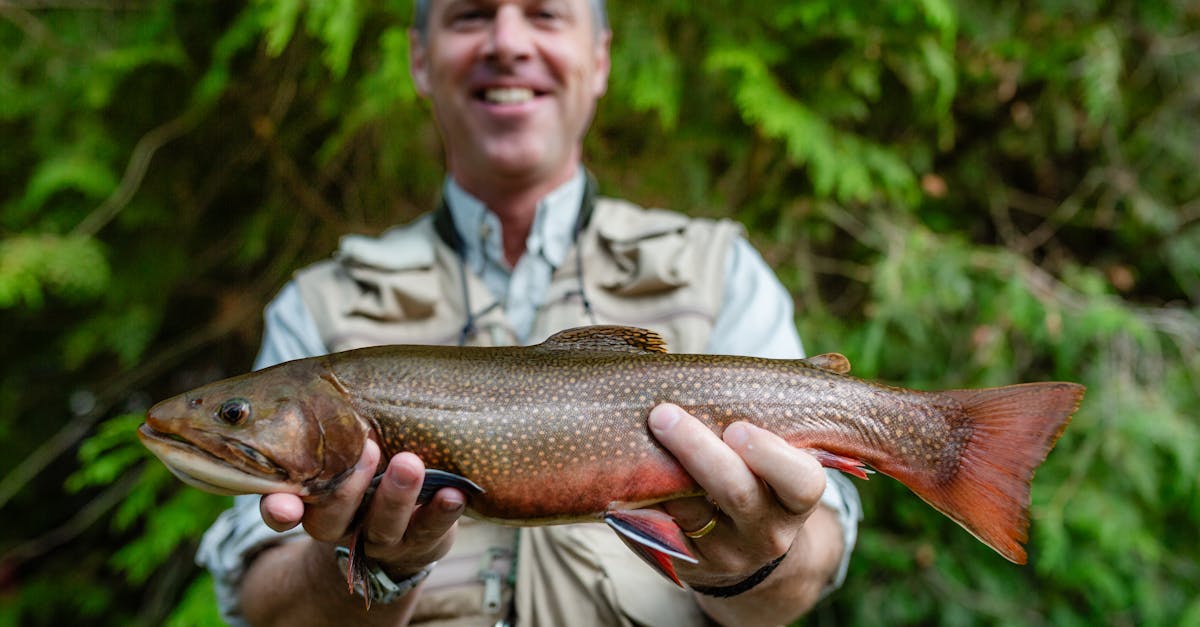
Where trout actually lie
Seams sit where fast meets slow—slick edges downstream of submerged fist-sized stones, or the shadow by a marginal weedbed. Tailouts are the shallow taper of a riffle; true drift ground for nymphs. Shelves are subtle ledges dropping 1–2 feet; trout cling tight in 2–4 ft of water, often facing upstream toward the shelf's lip.
Nymph presentation for baetis
A 45° downstream cast with a deliberate high-stick mend sinks the fly 1–2 ft. Then track the rod tip to keep the line off the surface for a drag-free 10–20 second drift during olive hatches. Use size 16–20 nymphs after June on beats like Fulling Mill. Lead the fly 1–2 ft ahead in faster seams; mend upstream to counter cross-currents when baetis float windows appear.
Tippets, rigs and knots
Stealth needs 5X-6X fluorocarbon (0.15–0.18mm). Standard rigs: 9–10 ft #3–4wt rods for down-and-across; 3–4wt rods paired with a centerpin for long trots. Keep a Uni knot for leader-to-tippet and a surgeon's knot for joining doubles. If no takes, shorten total tippet to 7–9 ft and switch to a slightly heavier nymph to hold the seam.
Practical tweaks
Float rigs still win early season for unpressured brown trout and grayling. On low, clear flows use long, soft drifts; on breaks and tailouts strip small pulls to anchor the fly. Private day-ticket stretches on the lower Itchen add chub bonuses alongside trout.
Recommended: fluorocarbon tippet spool