
Restoring a 1950s Hardy split‑cane for March chalkstream grayling
Restoring a 1950s Hardy split‑cane for March chalkstream grayling
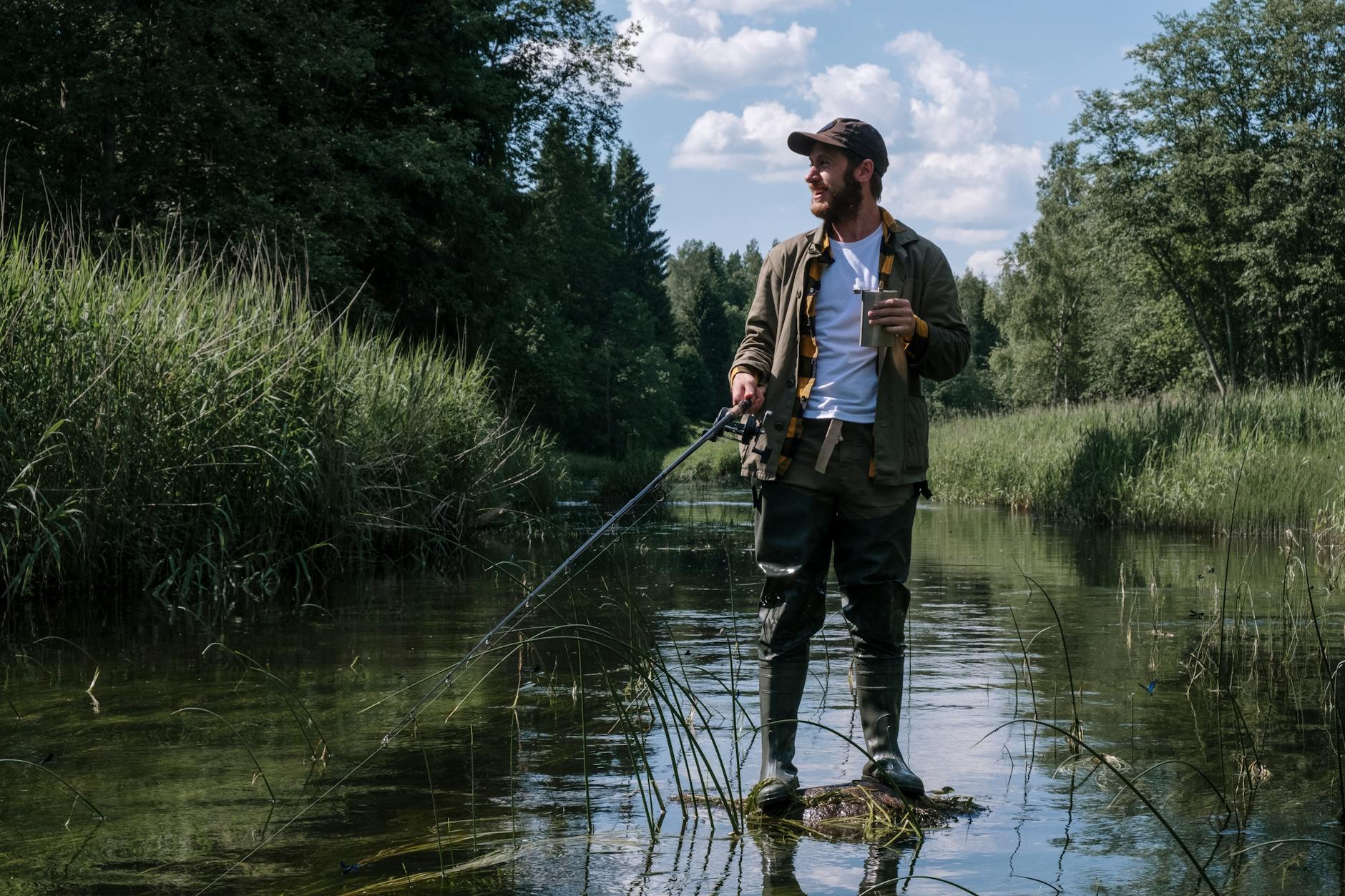
Chalkstream context
Hardy split‑cane rods from Alnwick carry provenance prized on Hampshire chalkstreams such as the Test and Itchen, where March grayling (Thymallus thymallus) give exceptionally delicate takes. Restoration bespoke to these rivers concentrates not only on strength but on eliminating acoustic and tactile cues: a rod that pings or sticks will cost presentations on clear, low water.
Blank inspection and ferrule care
Inspection begins with controlled flexing under directed light to expose hairline fractures, node separation or delamination. Ferrules are cleaned ultrasonically and inspected for concentricity; corroded spigots are best replaced with low‑mass, low‑sound liners—nylon or titanium micro‑inserts—bonded with thin epoxy to preserve original action while damping metallic ringing.
Silk wrapping choices and modern inserts
Silk choices favour muted chalkstream palettes—olive, cream, dun—and flat silk resins or thin clear coats to reduce surface glare. Modern micro‑inserts (machined aluminium, carbon fibre or nylon) can be sized to internal dimensions so the blank’s taper and rebound remain unchanged, avoiding the harsher tip action that scares wary grayling.
Line weight selection and reel drag tuning
Line selection typically centres on 3–4 weight floating tapers to match the rod’s vintage flex and to present dry flies and small nymphs with minimal splash. Reel drag is tuned for progressive, whisper‑quiet slip—leather or micro‑disc washer stacks set to allow steady give rather than abrupt stops—so that the gentle March takes of grayling translate into controlled hook sets without jarring the cane.
Field testing and heritage stewardship
Final tests on a chalkstream reach—crystal clear riffles on the Test or quiet glides on the Avon—confirm that any replacement ferrule, wrap or finish preserves original action and tonal silence. Restorers balance functional upgrades with conserving Hardy stamps and ferrule markings, maintaining the rod’s character for both angling use and local cultural heritage rooted in The Compleat Angler tradition.