
Itchen evening seams and brown trout feeding
Below St. Cross mill the seams go tight — peak rises 20:00–22:00
How chalk pulses set the stage
Chalk aquifer temperature pulses feed the River Itchen with steady spring water, holding evening temperatures in a 5–17°C band that creates thermal refuge. Deeper pools of 1–2m hold brownies through daylight; aquifer inflows meet surface flow at dusk and form narrow upwelling seams where cool water and faster surface current collide.
Dusk: the nocturnal explosion
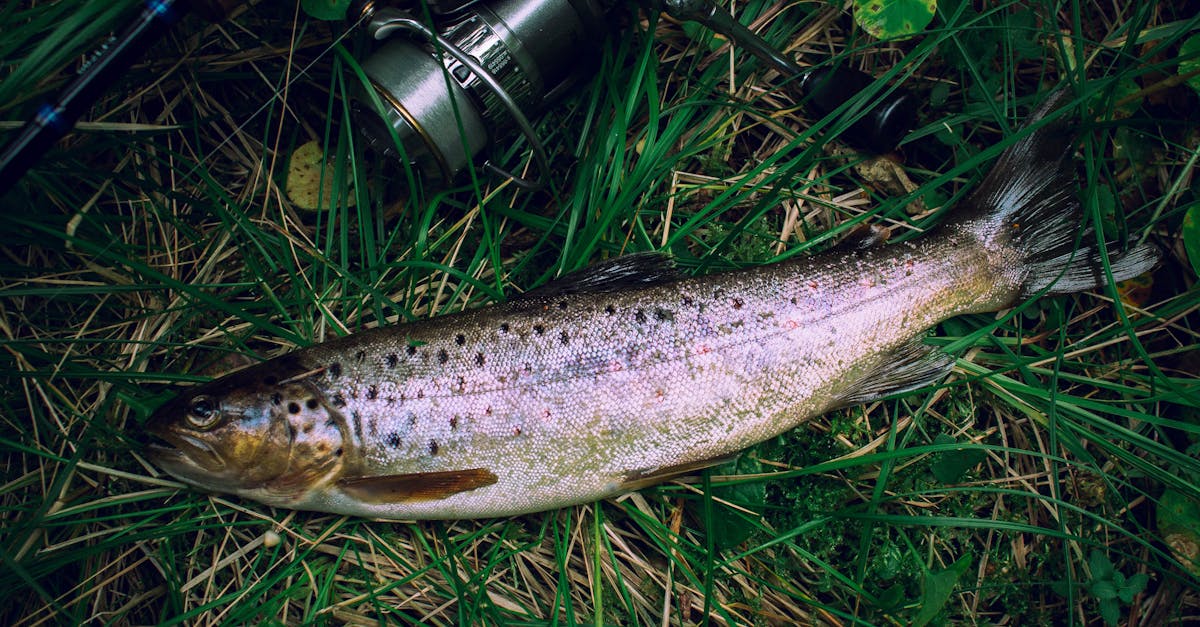
When the pulse stabilises, evening hatches of olives (Baetis spp.), caenis and sedges erupt from Ranunculus weedbeds. Flies rise in tight windows. Brown trout, averaging 30–40cm on the Itchen, push out of glides into 2–5m wide seams and take duns 1–2ft below the surface. Summer peaks, May–September, cluster around 8–10pm as flows settle to 0.3–0.6m/s and drift concentrates in 4–6ft depths.
Where to find the seams
Best seams sit below St. Cross mill, along the Cheriton reaches and similar lanes near Winchester. Look for riffle-to-glide contrasts and tight, broken water adjacent to smooth flow. The River Test shows similar aquifer seams at Longparish and Wherwell, though Itchen’s denser weed produces tighter lanes.
Tackle and tactics
Fish seam edges with 3-4lb leaders, size 16–20 dry flies such as Itchen dun patterns, or light nymph rigs on 7-8ft #4 rods. Cast quartering upstream and hold off-line drifts 10–20ft; target 4–6ft depths where brownies rise aggressively. Winters keep brownies in deep glides but pulses still trigger olive rises in low light.
Recommended: 3–4lb fluorocarbon leader