
River Test and the Birth of Dry‑Fly Fishing
River Test at Stockbridge: where dry‑fly fishing found its rules
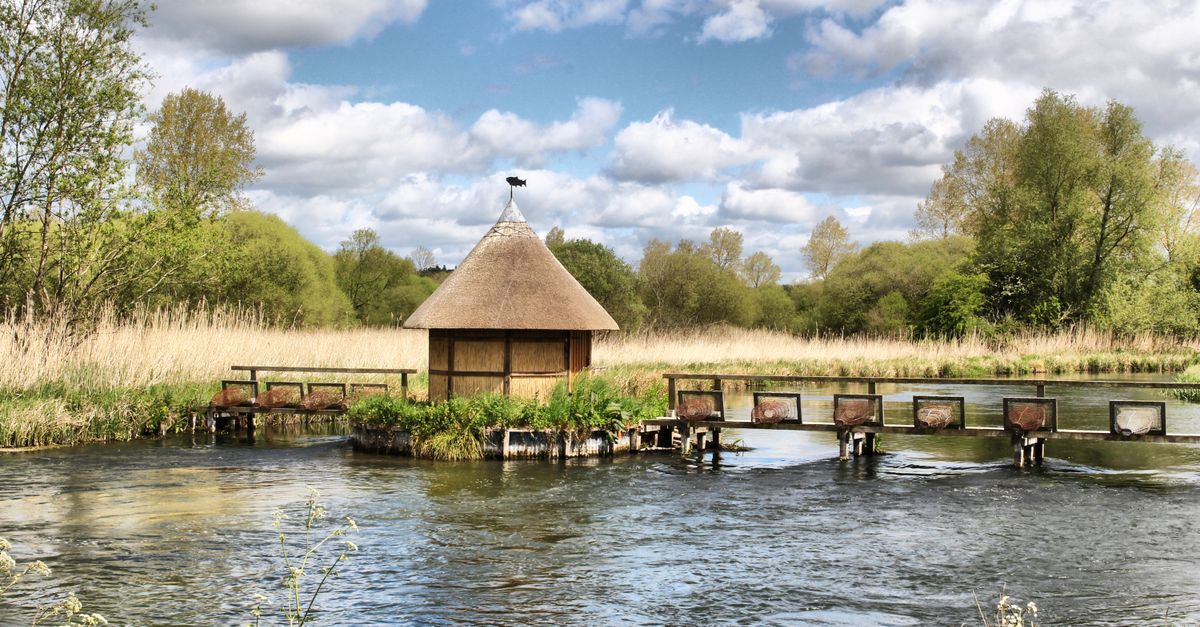
Clear water runs over chalk here. The River Test and its Hampshire sisters—the Itchen and the Kennet—made a style of angling as recognisable as tweed and tea. Brown trout and grayling live in a different light on these streams. Flies lie on the surface like punctuation marks.
Frederic M. Halford formalised the dry‑fly approach on these beats. Presentation mattered above brute force. Cast upstream. Mend with the current. Let the artificial mayfly sit and tempt a rise. Those are practical laws, learned by watching trout in inches of water.
Technique and temperament
Chalk geology brings constant temperature and filtration. Water clarity exposes every mistake and rewards subtlety. Anglers learned to read seams, tails of flow and lies behind stones. G.E.M. Skues brought nymphing ideas that softened the orthodoxy. The result was not a battle but a richer repertoire: dry‑fly for ceremony, nymphs for the unseen.
Gear adapted. Lighter fly rod actions, fine leaders and small dry flies dominate. Waders stay quiet in the shallows; a neat landing net preserves the fish. Beats remain measured, each peg and pool carrying stories of precise casts and patient watches.
On a cool evening a mayfly hatch will silhouette trout taking with surgical speed. The rhythm of the chalk stream continues: methodical, exacting, stubbornly beautiful.
Recommended: breathable chest waders