
Chalk-Stream Craft: River Test and the Birth of Dry-Fly
Chalk-Stream Craft: River Test and the Birth of Dry-Fly
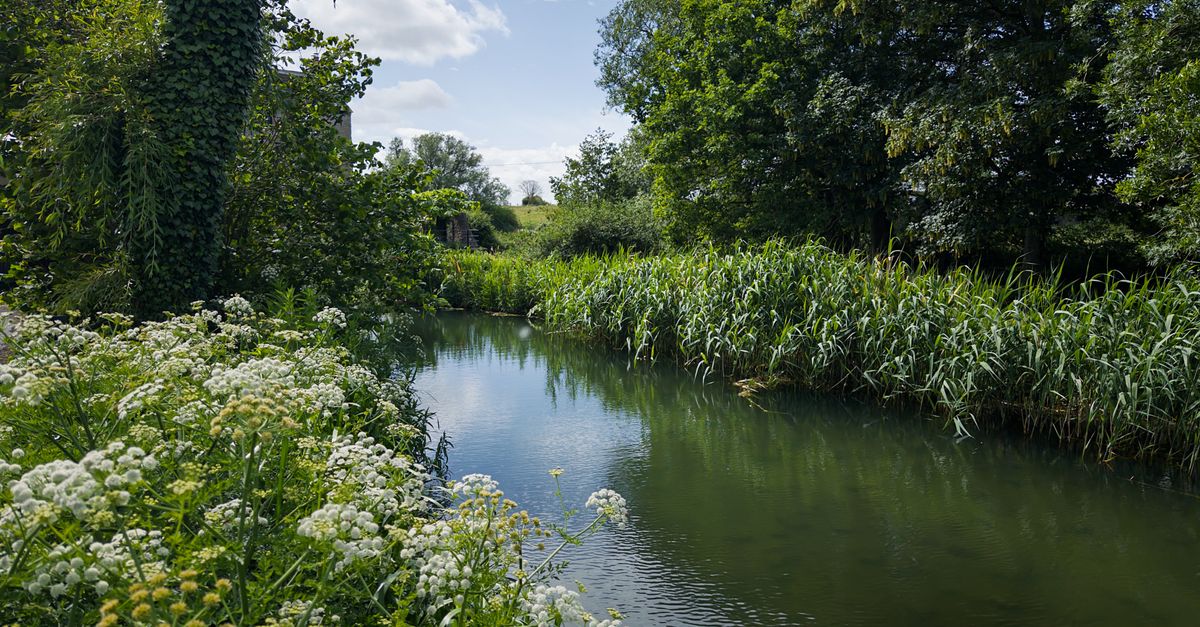
F. M. Halford wrote the rules for dry‑fly fishing with the River Test in mind. Clear spring water, slow glides and trout that rise to a perfect imitation made the Test a laboratory for presentation. The river taught anglers to place a fly, not force a fish.
Halford insisted on neat casts, small dry patterns and a delicate tippet; his approach shaped rods, reels and the etiquette of stalking a rise. Alongside him, G.E.M. Skues pushed a different truth: trout take nymphs below the surface, and the Pheasant‑tail nymph became an essential counterpoint to the floating fly.
Why chalk streams matter
Chalk streams run clear from springs, with gravel beds, abundant weed and stable temperature. Those features create a long, slow menu for trout: mayfly duns on the surface, olive nymphs below, and a constant need for careful presentation. A short, accurate cast often beats a long, powerful one; a light leader and a soft landing win the day.
The culture around the Test is hands‑on and ritualised: keepers, quiet lanes to the riverbank, the measured replacement of a landed brown trout. An angler in the reeds, rod in hand, waders spattered with river silt, watches a solitary rise and knows the day is decided in a single, precise moment.
Recommended: breathable chest waders