
Why the Test Gravels Produce Rises
Stockbridge gravel tongues on the River Test
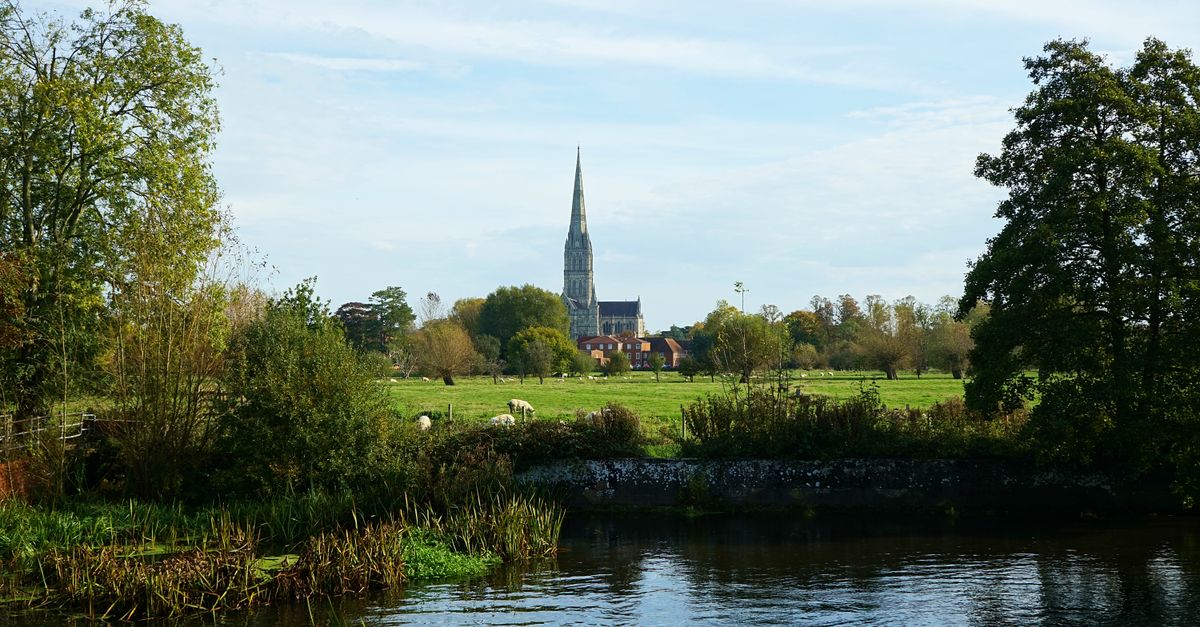
Stockbridge and Houghton wash their gravels in a chalk-aquifer breath that keeps seams cold, clear and steady enough for Salmo trutta to trust the surface. Gravel runs sitting on spring seepage register around 8.5–10°C; that stability means eggs, fry and adult trout all time their moves to predictable pulses.
The chemistry of the water matters. Chalk groundwater buffers pH and keeps turbidity low so redds don’t choke. Seepage zones can have lower oxygen than main flow, but the long glides and weed fringes hold dissolved oxygen and light, creating micro‑habitats where trout hunt the edge rather than the main current.
Evening insect pulses
Watercress beds around King’s Somborne, Romsey and the lower Test work like slow conveyors of food. As dusk falls, midges, olives, sedges and upwinged flies erupt from weed and beds in short, furious hatches. Trout switch on hard to dries and feed over gravel tongues, seams and slacks; the action is concentrated, noisy and very localised.
Anglers fishing the Test favour a light touch: a 9 ft, 4–5 wt rod, a fine leader near 12–15 ft and delicate dry-fly presentations in the last light. Flies that echo midges and olives win when the river is clear and the trout can read the surface.
A brown trout hunched over a pale parachute on a shallow gravel seam as willows blacken is the Test’s signature rise—precise, sudden and utterly natural.