
River Test and the Chalk‑Stream School of Dry‑Fly Fishing
River Test and the Chalk‑Stream School
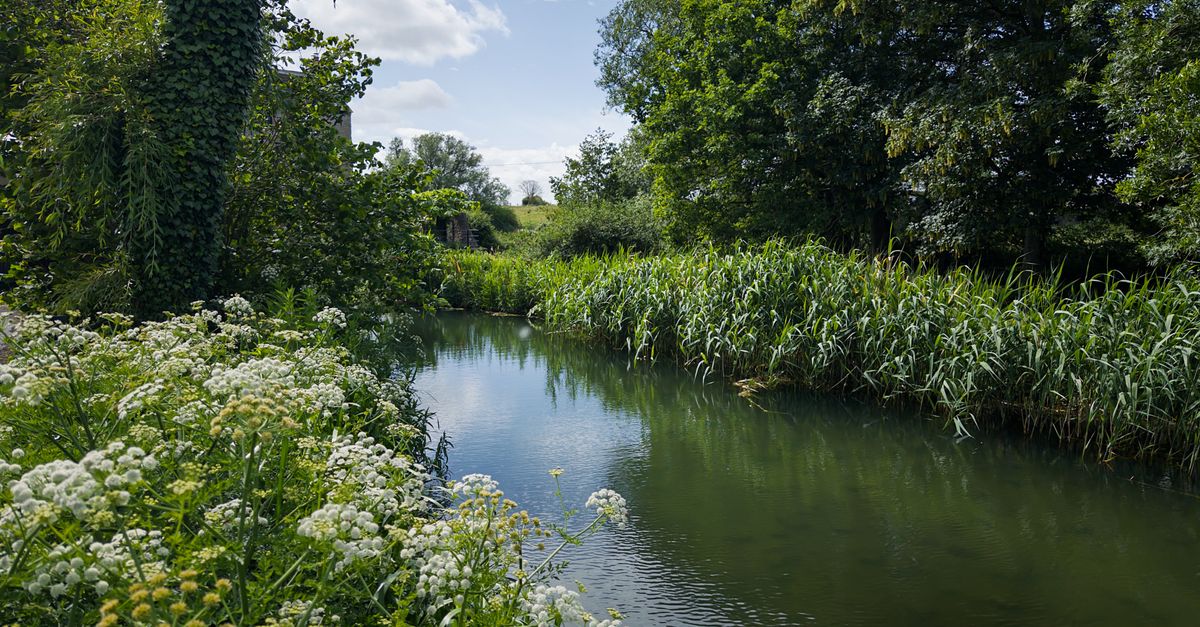
River Test water runs clear enough to read a fly pattern on the surface. Gravel beds glow; chalk aquifers give the stream a steady, pale warmth. Brown trout and grayling thrive where weed and riffle are minimal and presentation rules every cast.
Anglers on the Test, Itchen and Hampshire Avon refined a simple doctrine: keep the fly natural, present upstream, let it drift true. Frederic M. Halford codified the dry‑fly gospel on these waters, preaching polished leaders, precise casts and the supremacy of the floating fly.
G.E.M. Skues answered with nymph tactics suited to the same gin‑clear runs, and that argument shaped modern thinking: surface elegance or subsurface craft. Both paths taught the same discipline—observation, patience, and a respect for insect life cycles when matching the hatch.
Gear, technique and the water
On chalk, a light rod and delicate tippet make the difference. Gentle upstream angles, slack put in the line to avoid drag, and steady hands when a trout sips—these are the small arts. Waders are commonplace; discreet footwork keeps the trout unaware.
The result is a style rather than a mere method: economy of movement, a keen eye for riseforms, and an emphasis on craft over brute force. A dry fly dances, a pale dimple appears, and the rod tip bows; that moment is the chalk‑stream prize.
Recommended: neoprene chest waders