
River Test at Stockbridge: the chalk‑stream cradle of dry‑fly fishing
River Test at Stockbridge: the chalk‑stream cradle of dry‑fly fishing
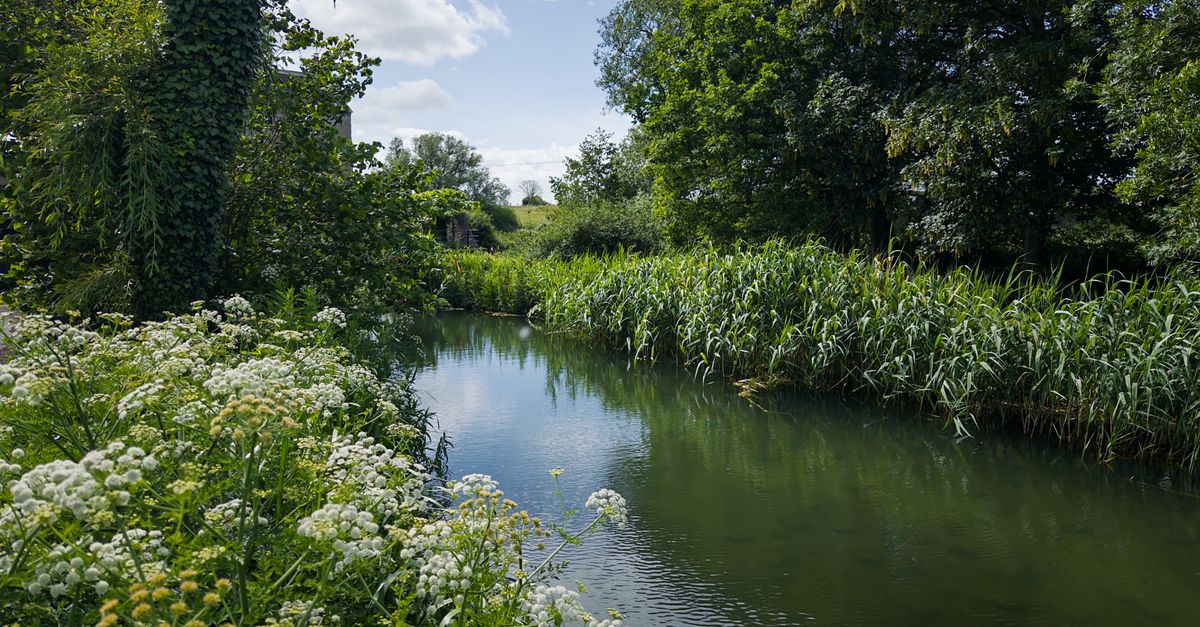
River Test at Stockbridge runs like glass. Clear water, gravel beds and long ribbons of Ranunculus define it. Chalk springs feed the stream with mineral‑rich, steady water so temperatures barely change; that stability produces prolific mayfly hatches, notably Ephemera danica, and trout that read light like a ledger.
Angling on these Hampshire chalk streams shaped modern fly fishing. The dry‑fly technique was refined here: presentation matters more than power. The method demands an upstream drift, a perfectly floating fly and absolute line control to fool a trout sighting a single insect on the surface.
Tradition, tackle and personalities
Frederic M. Halford codified dry‑fly doctrine on the Test; later G.E.M. Skues argued for nymph work beneath the surface, and that conversation changed how anglers think about trout behaviour. Pike lurk in slow backwaters, but it is brown trout that define the rivers.
Equipment follows the water’s demands. A light responsive rod, supple leader, fine dry flies and long waders for stalking the margins are typical. Tackle stays modest; accuracy and reading the glassy seam win more often than heavy gear.
On an evening when Ephemera danica rises, a trout breaks with a soft silver flash and the angler watches a single ripple. The scene is repeated across seasons—a living tradition tied to chalk, clear water and the patient art of the dry fly.
Recommended: waterproof chest waders