
Chalk‑Stream Craft: The River Test and English Dry‑Fly Tradition
The River Test at Stockbridge ranks among England's iconic chalk streams.
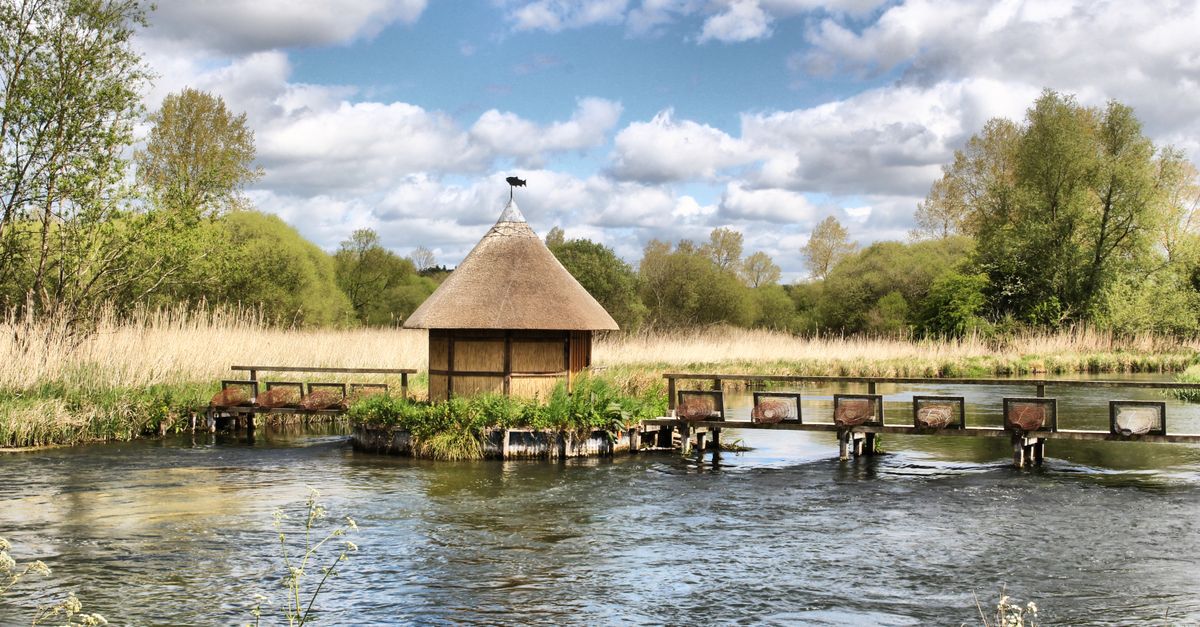
Water runs clear over gravel, willow roots hang low and a trout rises to a March brown almost without a ripple. Chalk aquifers feed the Test with steady, cold flow; that constancy gives trout and grayling a pace of life unlike river trout elsewhere. The scene shaped a technique.
History and Technique
Frederick M. Halford codified the upstream dry‑fly approach on these waters, insisting on long leaders, subtle tippets and presentation rather than brute casting. G.E.M. Skues later pushed nymph work where fish refused the surface; together their debate sharpened craft, not ruined it. Fish are wary. Stealth matters: soft footsteps, low casts, a carefully chosen fly.
Gear follows the river: a light fly rod tuned for delicate presentation, a slim reel, and breathable waders for slipping into the riffles. Flies mimic local hatches—March browns, olive mayflies, sedge—tying the angler to a seasonal calendar and small, exact matches.
On a misted morning at Stockbridge the water looks like glass. A trout breaks the surface with a tiny splash and the lesson is plain: the chalk stream rewards patience, observation and the old art of the dry fly.