
River Test: where dry‑fly fishing was perfected
River Test at Stockbridge — a pale ribbon through watercress beds and gravel runs
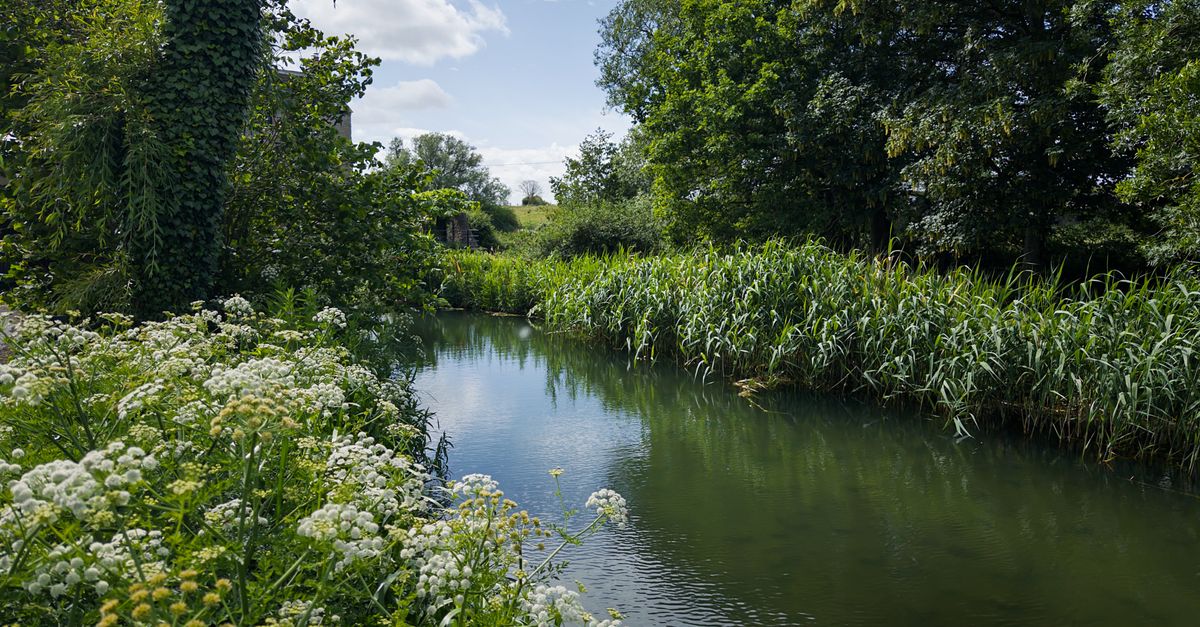
The chalk stream is clear enough to read. The River Test and the Itchen cut through Hampshire chalk, keeping temperature steady, flow slow and gravels clean; brown trout and grayling live in plain sight. These rivers shaped a style of angling: precise presentation, upstream casts and the dry-fly obsession.
Victorian tackle and taste met here. Anglers learned to watch the surface for a tiny rise, to match an emerging mayfly and to deliver a fly that floated like a living insect. The single‑handed rod, delicate tippet and stealthy approach are all part of the grammar that grew from Test pools and meadow beats.
Dry fly versus nymph
Frederic M. Halford championed the upstream dry-fly, teaching anglers to insist the fly must be visible and on the surface. G. E. M. Skues pushed back with nymph tactics, saying trout take subsurface food freely. The debate refined technique more than it divided anglers: the best beats demand both a patient dry presentation and the occasional, subtle subsurface drift.
On a still summer morning a trout will sip a dun beneath a fringe of water crowfoot. The line lies flat. The rod lifts. The fish turns, silver flash against chalk-bed gravel — the same scene that taught generations how to fish with respect and small, precise gear, waders and a light rod always at the ready.
Recommended: breathable fishing waders