
River Test: Cradle of the Chalk-Stream Dry-Fly
River Test: Cradle of the Chalk-Stream Dry-Fly
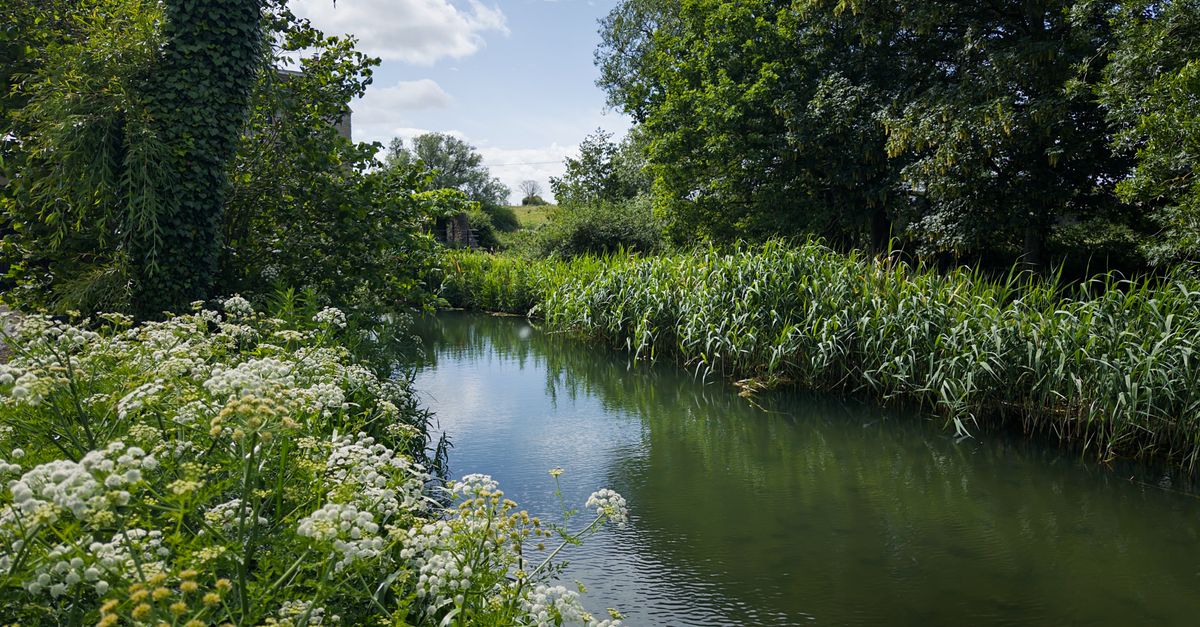
The River Test at Stockbridge runs clear enough to read a fly's shadow on the gravel. That clarity taught anglers to fish with finesse: precise drift, delicate landing, absolute attention. Brown trout here refuse anything sloppy.
On the Test and neighbouring Itchen the upstream dry-fly method was sharpened into doctrine. Frederick Halford and his peers codified presentation and patterns. The tradition prizes sight, timing and imitation over brute force; a light rod and quiet approach decide most encounters.
Why chalk streams matter
Chalk aquifers deliver steady, cool water and a clarity that concentrates insect life. Mayfly and sedge hatches are superbly regular. Trout and grayling learn to feed on the surface film; that creates the famous rise—small, exact, impossible to bluff.
Techniques evolved here: short casts, tapered leaders, tiny presentations. Nymphing and dry-fly debates shaped modern fly tactics when anglers began testing subsurface imitations against the purist dry-fly school. Clubs and private beats preserved close observation and accumulated local knowledge.
Waders go on before dawn. A single dry-fly drifts, a soft sip, a flash of bronze and the rod tip bends. The scene is quiet, exacting and utterly alive.