
River Test and the Chalk-Stream Dry-Fly Tradition
River Test — where dry-fly doctrine was written on clear water
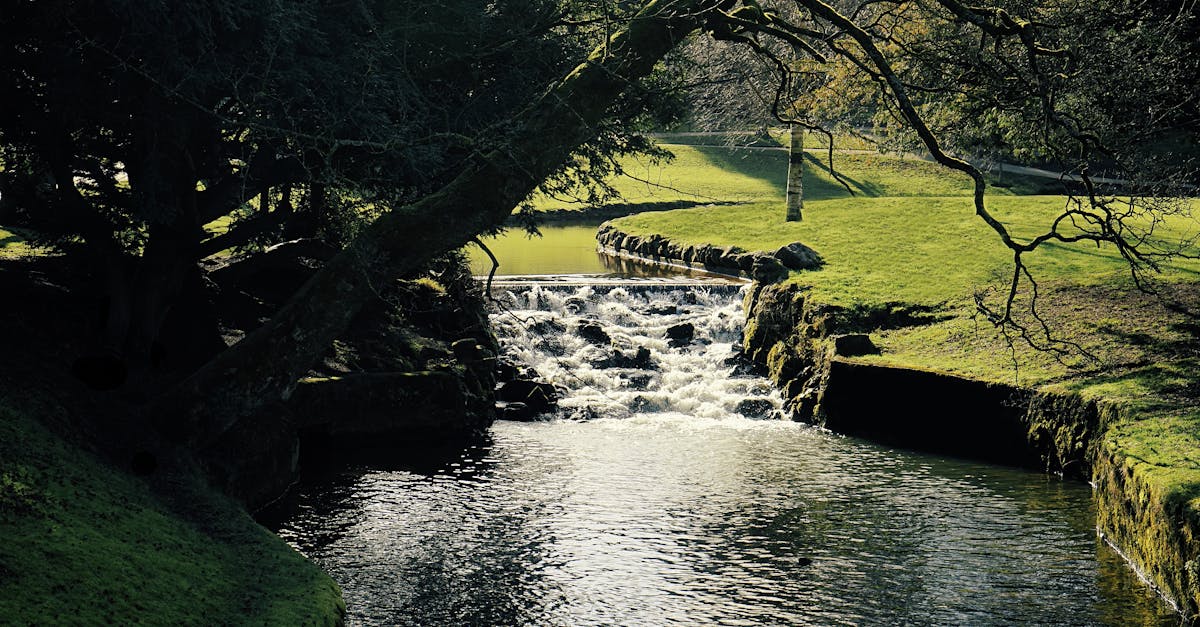
The Test, the Itchen, the Avon: spring-fed rivers whose gravel beds and pale chalk make trout and grayling visible from the bank. Those waters created a style of angling as much about patience and presentation as about tackle. The brown trout rises like punctuation to a mayfly hatch; that rise dictates every cast.
Late‑Victorian anglers turned those streams into a school. Frederic Halford promoted the upstream dry-fly, insisting that presentation to a risen trout was the highest art. G.E.M. Skues answered with a defence of nymphing, arguing that trout often take below the surface. The debate shaped modern flycraft and still animates riverbank conversations.
What makes a chalk stream distinct
Chalk aquifers filter soft, clear water rich in insect life. Mayflies, sedge and olive hatches run the calendar. Bankside cover is modest; casts must be delicate. Locally minded tactics — long leaders, precise presentation, lightweight rod actions — trump brute force. Waders get damp; a long cast to a rising fish settles a day.
Species list is short but charismatic: brown trout, grayling and the occasional pike in back channels. Gear is elegant: a slender rod, subtle flies tied to imitate the hatch, and an eye for rise forms. On a cold morning a trout will sip an Ephemera hatch and the river will say everything an angler needs to know.
Recommended: 9ft 5wt fly rod