
River Test and the Chalk-Stream Dry-Fly Tradition
River Test and the Chalk-Stream Dry-Fly Tradition
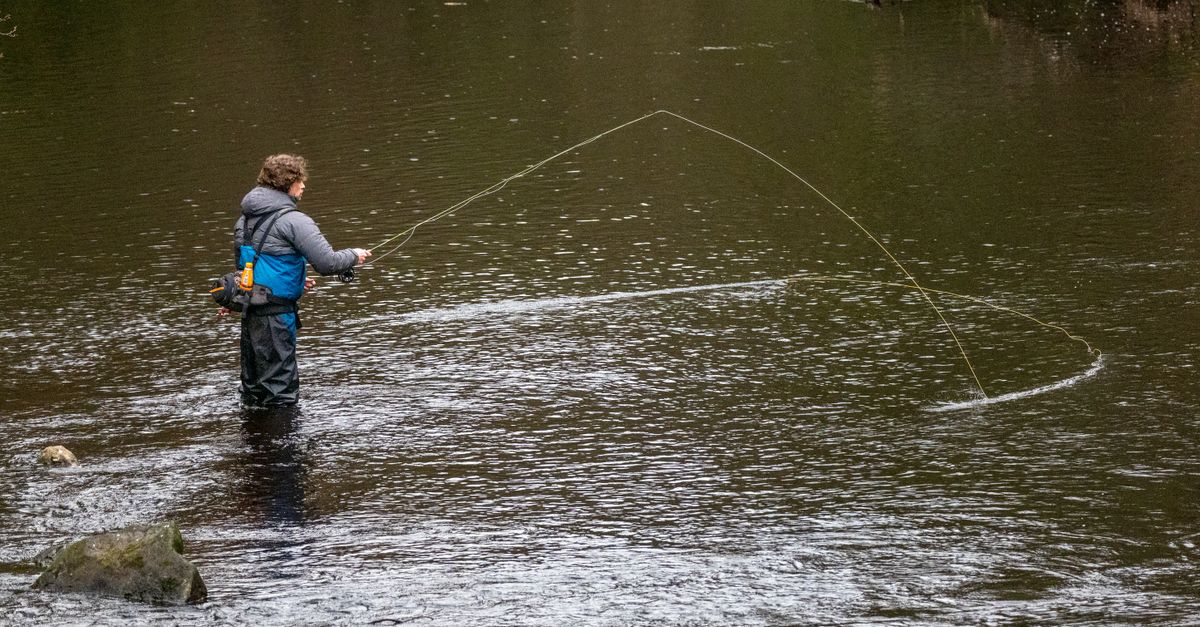
River Test, Hampshire. Clear water over clean gravel; the kind of river where a trout shows itself before the cast lands. The Test, the Itchen and the Kennet set the standard for what anglers call chalk-stream fly fishing — narrow corridors of spring-fed water, steady flows and picky brown trout.
Victorian anglers refined the dry-fly approach here. Names like Frederick Halford and G.E.M. Skues belong to the same conversation: Halford the dry-fly purist, Skues the nymph exponent. Their debates shaped rigs, presentation and angling culture on these waters for a century and more.
Technique and the water's character
Chalk-stream tactics are precise. A long, delicate rod and a tapered leader place a dry fly with minimal splash. Trout see subtle disturbance; the cast must be upstream, natural. A light reel matters less than touch. Waders are routine — the angler moves quietly from pegged banks into marginal shallows to reach the better lies.
Fish are often small in absolute size but stubborn in behaviour. Brown trout and grayling parse every drift. The reward is an artful strike, a rise that snaps the surface to mirror-light. Picture a sunlit riffle and the clean upstream bow of a brown trout as the fly is taken; that sight keeps anglers coming back to chalk streams across England.
Recommended: waterproof fishing waders