
River Test and the Chalk-Stream Dry-Fly Tradition
River Test: where dry-fly fishing was polished into an art
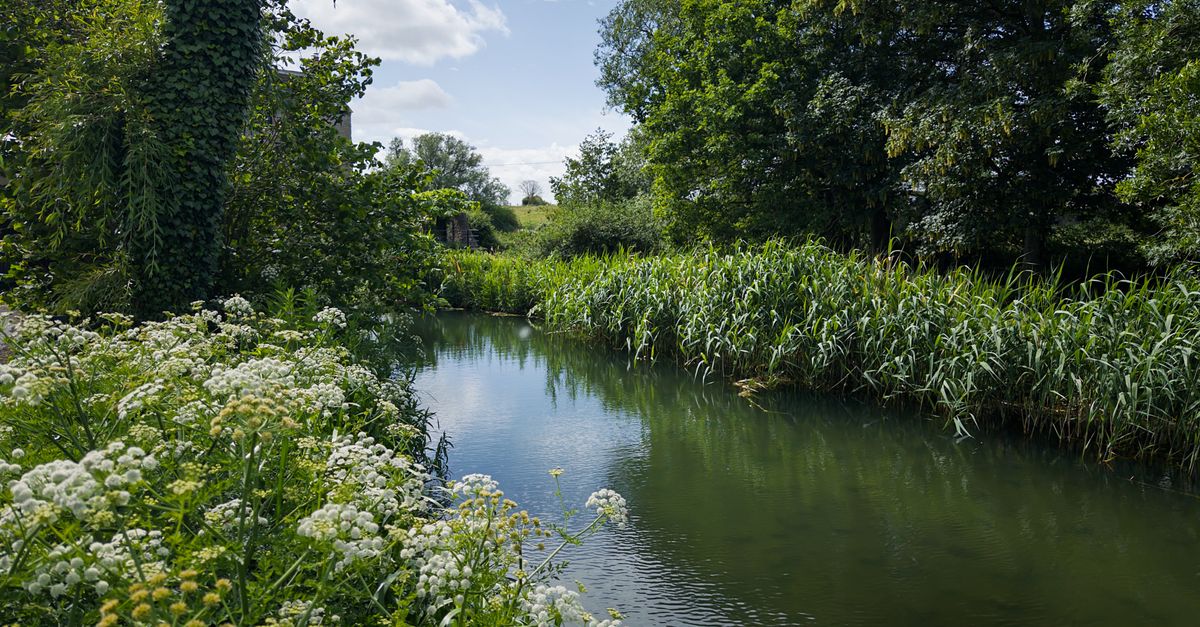
The River Test at Stockbridge is a name that carries weight among trout anglers. Clear gravel runs, snaking watercress margins and a steady mayfly hatch made it the laboratory for a new approach to trout — the dry-fly.
Victorian tackle-sticks and silk flies met precise presentation on these chalk streams. F.M. Halford set the tone with his 1889 book, insisting that trout be tempted only on the surface with a perfect, upstream cast. The result was a ritual: careful approach, a soft leader, a long, tapered cast and absolute control of drag.
Technique and temperament
Chalk streams produce the steady flows and clear sightlines that reward sight-fishing for brown trout and grayling. Anglers learned to read lies: seams where weed met gravel, tails of pools, shadow-lines under overhanging willow. The fly rod became an instrument of finesse; the fly itself a tiny imitation of olive dun or mayfly.
Not everyone agreed. Others argued for nymphs and subsurface tactics, which led to a lively debate that shaped modern flycraft. Today the Test, Itchen and Avon still teach the same lesson: presentation and patience win more fish than brute force.
A calm beat at first light, a precise cast, the tiny rise of a trout — the scene that forged an English way of fishing.
Recommended: breathable chest waders