
River Test and the Chalk-Stream Dry-Fly Tradition
The River Test at Stockbridge: a short stretch can hold dozens of brown trout.
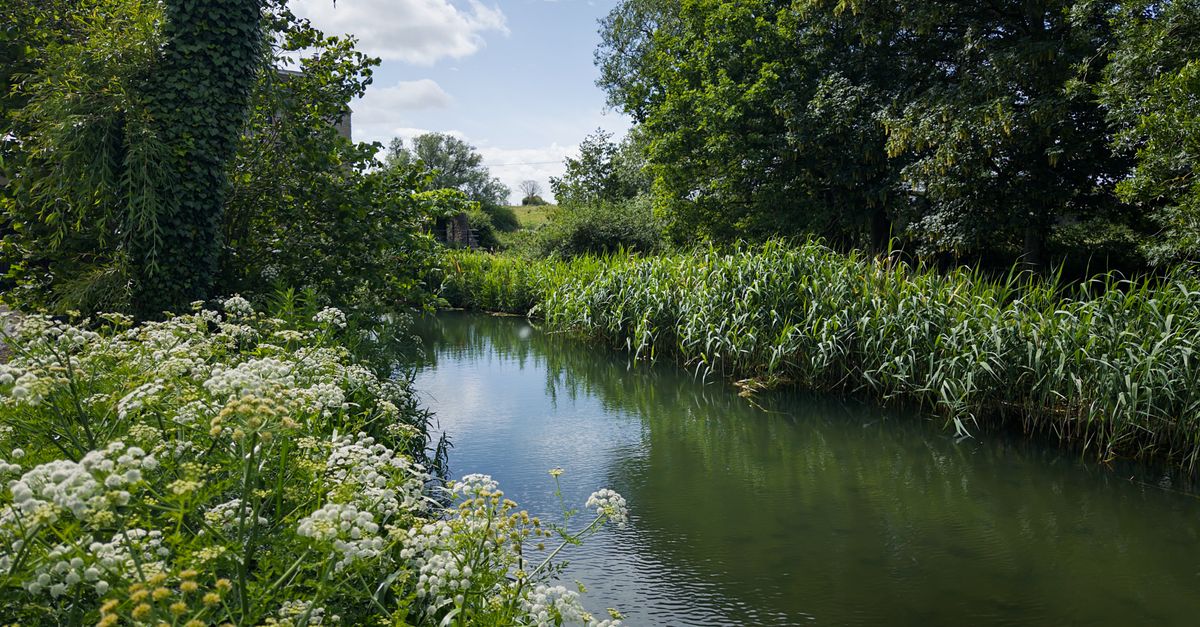
Clear as pulled glass. Chalk springs keep temperature steady, feed gravel beds and coax insect life into abundance. The clarity forces subtlety. Anglers cast light flies with surgical accuracy. Trout here are Salmo trutta—brown trout—patient and exacting.
The dry-fly tradition grew on these waters. Frederic M. Halford refined presentation to an art: precise casts, tippet choices, and respect for the rise. Halford’s methods shaped how the English school approaches flies and etiquette on the water.
Water, insect, and presentation
Chalk streams are narrow, sinuous ribbons. They feature long glides, shallow riffles and deep tail-outs. Mayfly hatches matter; so do sedge and caddis. Anglers read lies rather than force action. A soft landing, a trailing shuck, a long upstream mend—each motion counts.
Equipment evolved but the basics remain: a light rod, neat leader work, a discreet net. Modern graphite rods replaced bamboo for many, but the technique—presentation, drift, and patience—stayed unchanged.
Grayling turn up in suitable beats; pike lurk in deeper margins. On a calm evening a trout rises with an almost apologetic sip, a mayfly drifts, and the river keeps its old, demanding counsel.
Recommended: breathable fishing waders