
Where the Dry-Fly Was Perfected: The River Test Tradition
The River Test and the dry-fly tradition
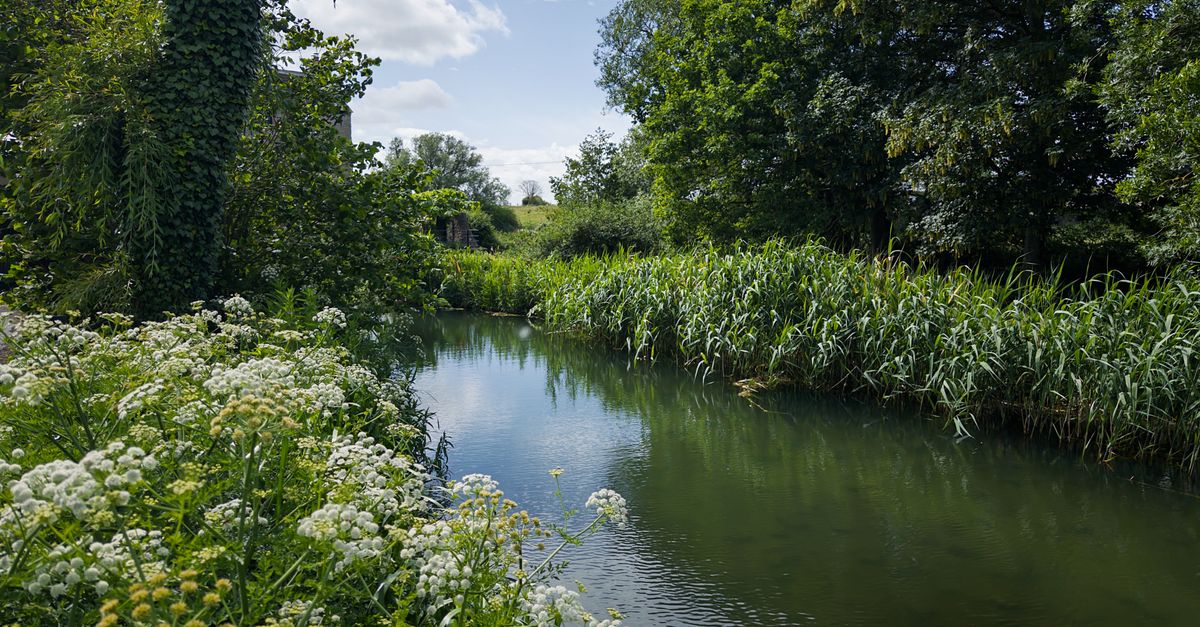
The River Test is shorthand in British angling for clear riffles, gravel runs and brown trout so wary they read the air. Anglers on its banks perfected the dry-fly approach that made sight fishing an art: upstream presentation, tiny imitations, the pause before a rise.
Chalk-stream water moves slow and sure. Gravel beds glow. Watercress and filamentous algae frame margins where trout lie in patches of slower current. That geometry forces technique: short casts, delicate leaders, and the kind of patience that turns a half-hour stalk into a hooked fish.
The dry-fly and the nymph debate
Frederic M. Halford championed the dry-fly, insisting trout should be taken on the surface. G.E.M. Skues answered with nymphs, fishing subsurface where trout actually feed at times. The argument reshaped tackle and tactics: lighter rod tapers, finer tippets, and a switch from pure surface hunting to a two-layer game.
Modern anglers on the Test still bring a light rod and a stash of fine nymphs and dries. They learn to read seams and glassy lies. In low sun the leader splits the sheen and a brown trout explodes on a well-presented dry fly, and the tradition keeps the river honest.
Recommended: waterproof chest waders