
River Test and the Chalk‑Stream Dry‑Fly Tradition
The River Test in Hampshire stands as the archetype of chalk‑stream dry‑fly fishing.
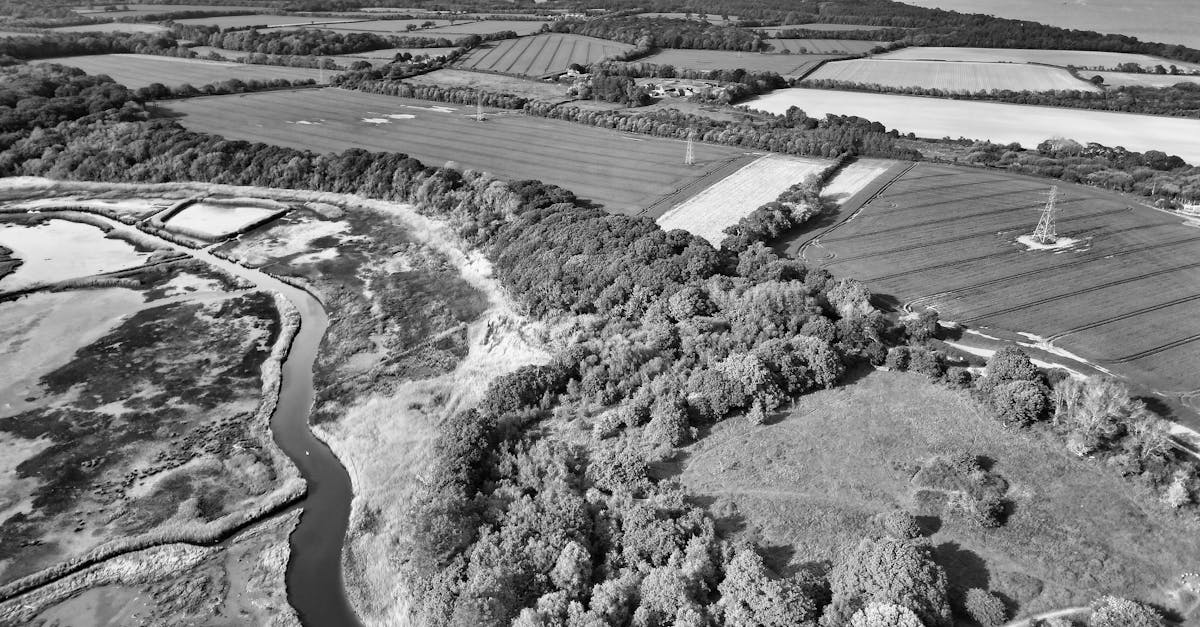
Clear water moves like glass over flint and chalk. Brown trout rise with a soft flash. Grayling show a silver sail. The Test set the style: delicate presentation, careful wading, and the sacred dry fly.
Two styles grew there. Frederic M. Halford championed the high‑dressing dry fly, fussy about fly patterns and the upstream cast. G.E.M. Skues pushed nymph work in the gullies and tails, teaching anglers to read lies beneath that clear surface. Both shaped how the chalk‑stream fishes.
How a chalk stream fishes
Flow is slow but oxygen‑rich. Margins run shallow, tails deepen into gin‑clear pools. Mayflies hatch and the surface explodes, but trout take tentatively — a false move is noticed. The art is patience: watching for the subtlest dimples and placing a fly that looks like nothing at all.
Tackle reflects the water. A delicate fly rod, a fine tapered leader and soft‑shanked flies. Waders are often light; every step is measured. Nights bring different life: pike cruise in darker pools, their silhouettes visible against the moonlit bedrock.
The Test is a classroom. It taught presentation over brute force, observation over sheer tackle. The river keeps its lessons close — a trout rising at dawn, a mayfly drifting like a coin, a measured cast that vanishes into the glass.
Recommended: lightweight 9ft fly rod