
River Test and the Art of Chalk-Stream Fly Fishing
River Test at Stockbridge — the glassy glide that made the dry-fly famous
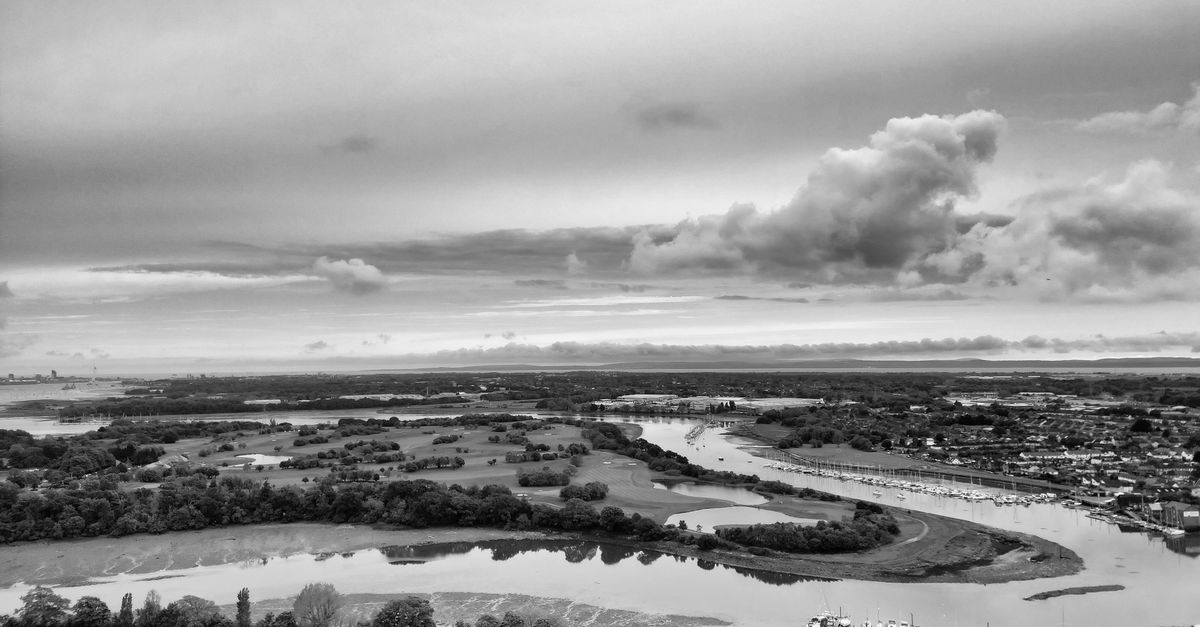
The River Test in Hampshire is the measuring stick for chalk-stream fly fishing. Clear water runs over flint and chalk, leaving riffles and glassy glides where brown trout take a cautious dry fly. The Test shaped a sport and a style: precise casts, delicate presentation, and long, patient watching.
Victorian dry-fly proponents like Frederic M. Halford championed the Test as the arena for airborne flies. The counterpoint came from G.E.M. Skues, who argued that nymphs earned their place in those same pools. That debate did more than divide; it refined technique. Anglers honed leader lengths, learned to read tailing lies, and treated each hatch as a calendar of tactics.
Water, insect, trout
Mayfly hatches turn the Test into a living pageant. Grayling appear in winter clearings, pike patrol wider beats, but it is the brown trout that define the stretch. Presentation is everything: a false cast erased, a leader landed like a whisper, a surface ripple and then silence broken by a splash.
Gear is simple and deliberate. A light rod for accurate presentation, soft waders for standing in the shoulder-deep glide, and flies tied to match local emergences. The real skill belongs to rhythm — reading current seams, matching hatch timing, and knowing when to shift from dry to nymph without breaking the flow.
Morning on the Test can be brutally exacting. A coachman or a dun appears, the fly hangs suspended, and a trout peels line in a single bright moment that settles into memory like river glass.
Recommended: waterproof chest waders