
River Test: Chalk-Stream Fly Fishing and Two Schools
River Test, Hampshire — the chalk stream where trout rise like coins
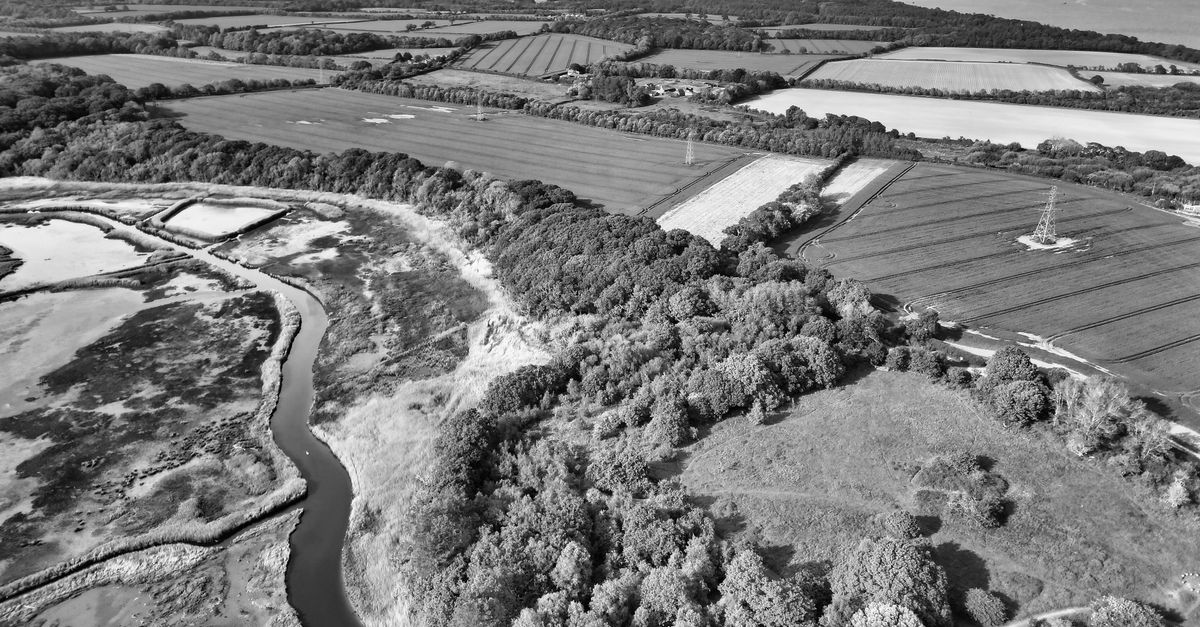
The River Test runs crystal and low, its spring water filtered through chalk until every pebble shows. Brown trout hover in seams of slow current; mayfly hatches paint the surface in soft confetti. Sight fishing dominates here: a careful rise, a tiny dimpling of the skin, and the angler moves with the river's patience.
English fly-fishing on chalk streams grew on these banks. The Compleat Angler placed small rivers at the heart of angling culture, and later anglers refined technique to suit glassy, shallow water. Single-handed rods and fine tippet became tools of choice; presentation matters more than brute force.
Dry-fly doctrine and the nymphing reply
Frederick Halford championed the dry-fly as the pure method for rivers like the Test, insisting on precise upstream casts and an immaculate imitation on the surface. G.E.M. Skues answered with nymphing, arguing the trout feed below the film as often as they take top flies. The two schools shaped rigs, flies and the patient rhythms of anglers on Hampshire beats.
Today the scene blends both approaches: a rod bent over a slow glide, a landing net scooped under a copper brown trout, waders mud-specked and the line singing as the river resets to glass.
Recommended: waterproof fishing waders