
River Test: The Chalk-Stream That Taught Fly Fishing
River Test in Hampshire: where dry-fly craft was codified
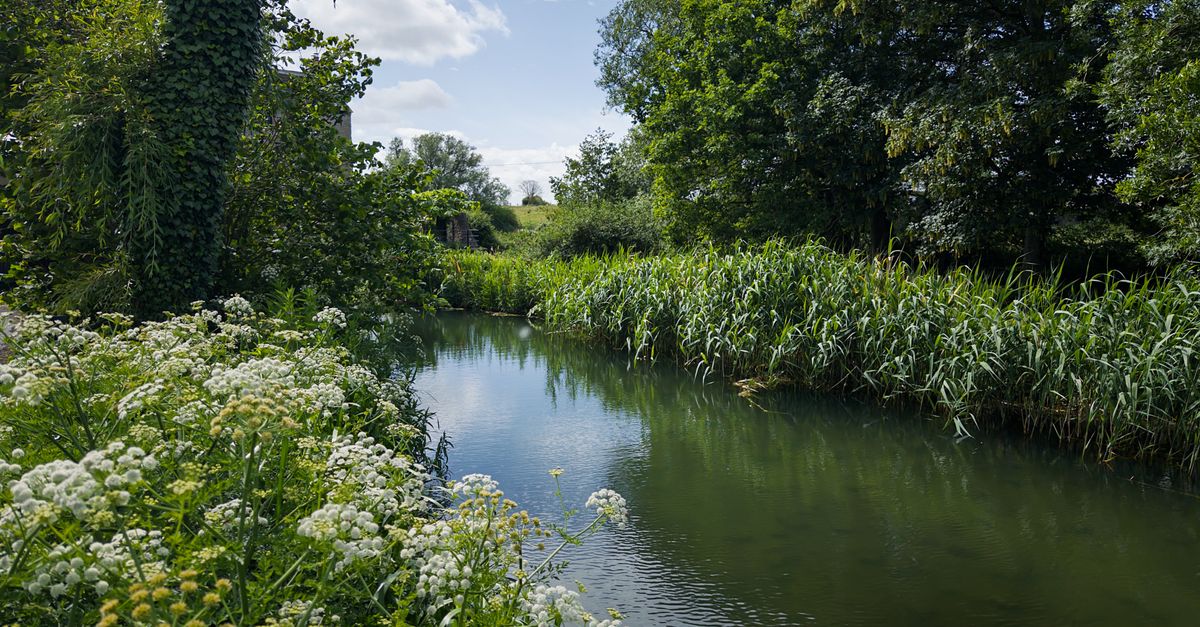
The River Test runs through bright gravel and reed, a water of soft current and slashed sunlight. Anglers name it for its clarity and its brown trout — lean, wary, and expert at selecting a single mayfly drifting on the surface.
How a technique grew from a river
The chalk aquifer beneath the Test feeds stable, cool flows and a dense insect life. That steady pulse favoured a particular way of fishing: delicate upstream presentation, short casts, and flies that imitate the hatch with uncanny precision. Frederick M. Halford and his contemporaries wrote the rules here; the dry-fly doctrine was debated and refined along these banks.
The method demands a light rod, an unobtrusive fly, a long leader and sympathetic hands. Anglers learn to read lies by riffle and seam, to follow a trout's slow movement under a willow, to time the lift so the fly sits true. Grayling show the same fastidious taste for drifting patterns in colder months.
It is a place of small, exact victories: a twitch of line, a flash of flank, a careful unhooking on the gravel. A rise rings; a brown trout inhales the dry fly and the world narrows to a single bend in the line.
Recommended: breathable chest waders