
River Test and the Chalk‑Stream Craft
River Test and the Chalk‑Stream Craft
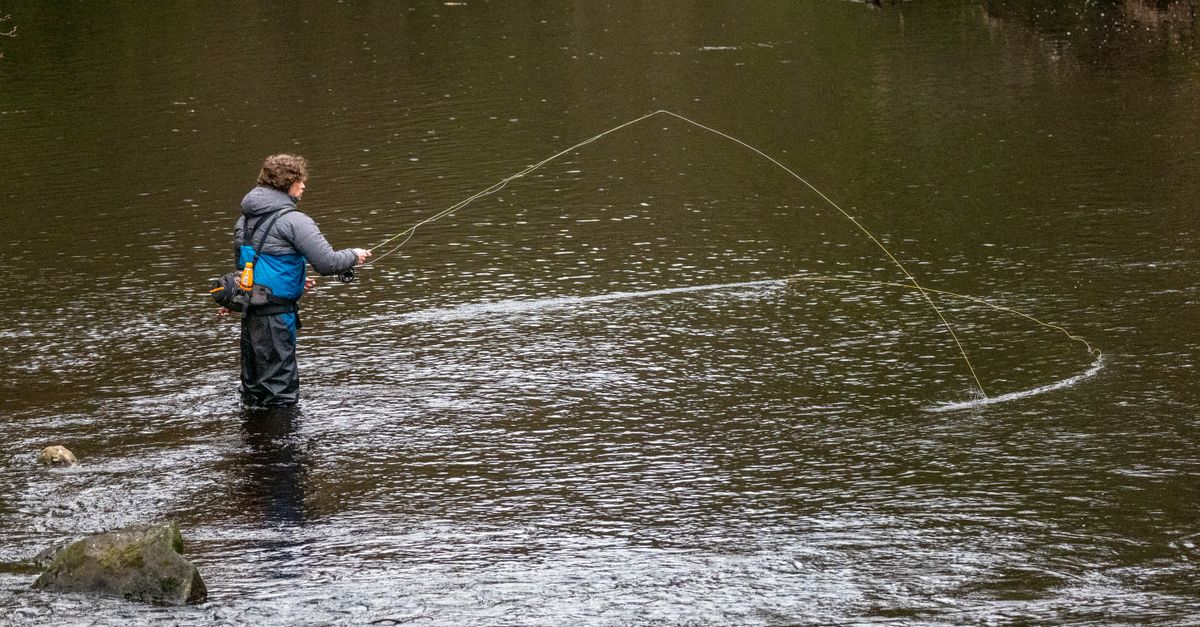
River Test in Hampshire has been the measuring stick for chalk‑stream fly fishing for generations. Clear water runs like glass over clean gravel. Brown trout and grayling feed confidently where mayfly duns hatch in waves.
Frederic M. Halford established the dry‑fly doctrine on the Test's beats. G.E.M. Skues answered with nymphing from the same banks. Those two approaches shaped how anglers think about presentation, not just gear.
Why chalk streams are different
Chalk aquifers give a steady temperature and alkaline clarity. Invertebrate life is abundant and specific. That makes presentation everything: a fly must sit natural, rise natural. An upstream cast, a leader that turns over gently, and the fly that rides like a cigarette paper — that is the craft.
Tackle evolved but the essentials remain. Silk lines gave way to floating modern lines. A light rod balances delicacy and control. Waders let anglers reach the riffles without shadowing the fish. Leaders are fine; tippets finer.
On a low morning the dry fly sits like a coin. A trout inhales. A silver rush, a bend in the rod, the chalk stream keeps its old score.