
River Test: England’s Chalk-Stream Fly Fishing
River Test: England’s Chalk-Stream Fly Fishing
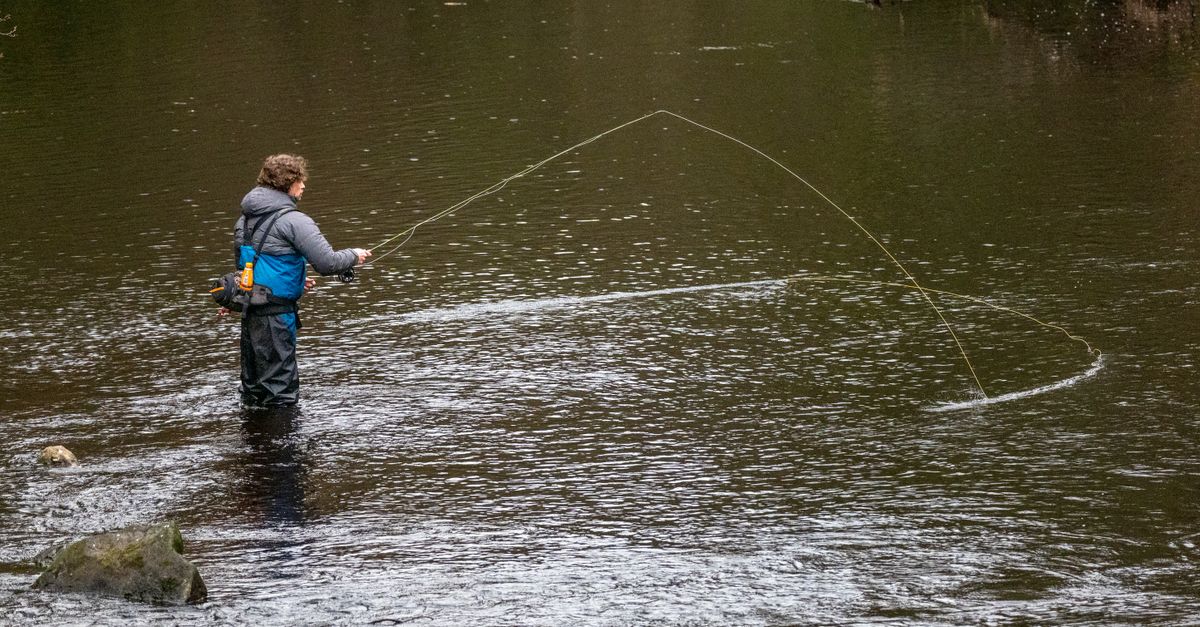
River Test, Hampshire, carries water so clear rods send dry flies like coins spinning across pebble beds. The Test and the Itchen are benchmarks: pale, gravelly channels fed from chalk aquifers with steady temperature and flow, ideal for wild brown trout and grayling. England holds about 85% of the world's chalk streams, and their character shapes an angling code — stealth, patience, perfect presentation.
Dry-fly and nymph traditions
Dry-fly angling was perfected on these beats. Frederick M. Halford championed the upstream dry-fly method on the Test in the late nineteenth century; G.E.M. Skues later argued for nymphing and the subsurface approach. That historic debate forged modern tactics: upstream mending, delicate casts, matching the hatch with March brown and hare's ear imitations.
Beats are intimate. One good pool can hold the season's best trout. Anglers favour light leaders and precise lines; a stout rod stays in the bag while a nimble rod and small flies do the work. Waders are useful, but much of the craft is sight — reading seam, glide and riffle and placing a fly where a trout will look, not where the angler hopes it swims.
A dry fly skimming a chalk-stream riffle, a bronze flank flashing, the line tense and the trout on; that single moment is the Test’s signature scene.
Recommended: breathable fishing waders