
River Test and the Making of Chalk‑Stream Fly Fishing
Frederic M. Halford’s doctrines were hammered out on the River Test.
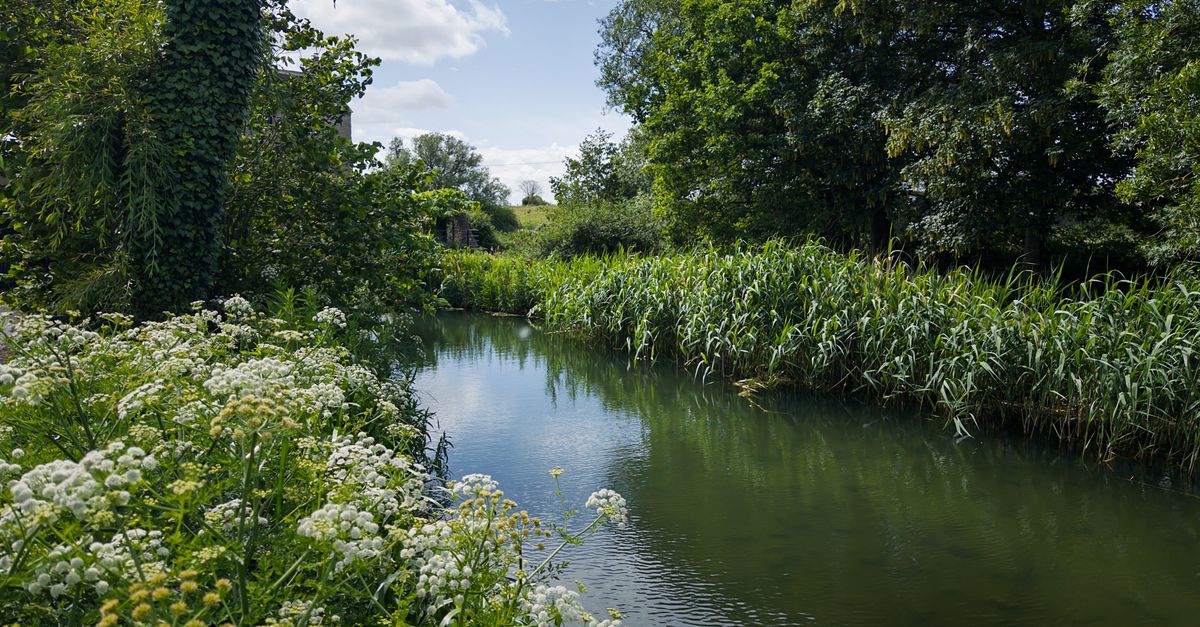
The Test, the Itchen and their Hampshire neighbours are spring‑fed ribbons of clear water that read like instruction manuals for trout. Brown trout live here as they do nowhere else: pale‑flanked, picky, quick. The water runs clean and steady, the riverbed white with flint and chalk, and anglers learn to see the trout before they see the fly.
Halford made the dry‑fly an art. G. E. M. Skues answered with nymphing. The debate shaped tactics more than equipment. Expectations followed: presentation over power, stealth over brute force. A patient angler knows which riffle asks for a floating imitation and which seam hides a feeding pectoral flash.
Water, flies and the angler’s eye
Chalk streams demand gear that respects the place. A light rod, fine tippet and delicate dry patterns are the usual currency. Grayling turn up where stones collect, pike lurk in backwaters, perch and dace populate the margins — but the chalk‑stream signature remains the trout rise. Watching a dry fly vanish in a glassy lie is a lesson in local history and simple physics.
Lines read the light. Flies are matched to Mayflies and sedges by observation. Waders tread softly; reeds and watercress whisper in the current. The result is a style as much cultural as technical: patience, attention and a steady hand. The sight of a dry fly skimming a flat before a trout peels away is the place’s truth.