
River Test and the Birth of Chalk‑Stream Fly Fishing
River Test: chalk water, gravel beds, trout visible in the shallows
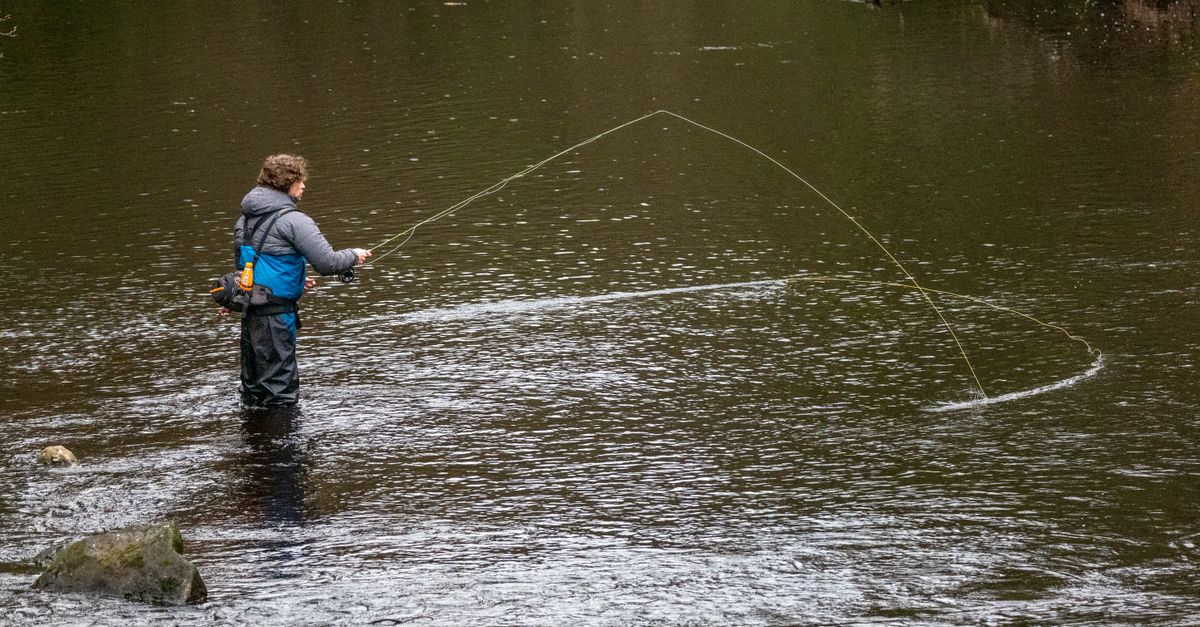
The River Test at Stockbridge is a textbook chalk stream: gin‑clear water, gravel riffles, beds of water crowfoot and trout visible in the shallows. Brown trout rise there to a dry fly with a precision that shaped a style of fishing now synonymous with southern England.
Chalk streams drain the underlying chalk aquifer, giving steady flow and alkaline, nutrient‑poor conditions that favour selective trout. That selectivity bred finesse—thin tippets, small dry flies and a fly rod designed to present an imitation as delicately as a leaf.
Dry‑fly doctrine and nymphing nuance
Frederic M. Halford promoted the dry fly as the hallmark technique of the Test and the Itchen; G. E. M. Skues championed nymphing in the margins. The debate changed tackle and tactics: leaders got finer, casting more precise, and patterns truer to natural insects.
The chalk‑stream ethic extends beyond technique. Anglers read light, currents and the brief, bright rise. On a still morning a dry fly skims a glassy trough and a trout takes in silhouette—an image that still brings anglers back to the Test and its kin.
Recommended: durable neoprene waders