
River Test: The Chalk-Stream That Taught a Nation to Fly Fish
Stockbridge on the River Test: water so clear trout are visible from the bank
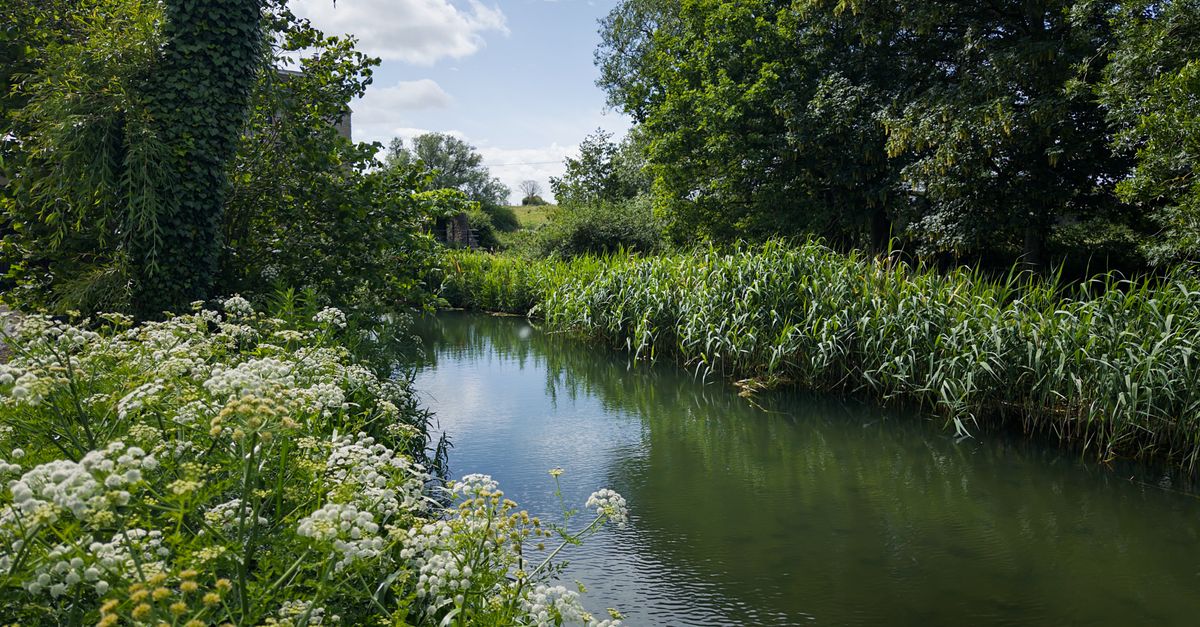
The River Test carries a light the way few rivers do. Chalk aquifer water runs through Hampshire, lending clarity and a steady flow that shapes a unique fishery. Brown trout rise with textbook hesitance; grayling show in winter runs; a wary pike lurks where the weed gathers.
Anglers bring small flies and patience. Dry-fly tactics that modern anglers revere were honed here: delicate casts, precise drift, and matching tiny mayflies as they hatch. The river's beats are narrow. Presentations must be exact. Fish respond to subtlety, not power.
River character and method
Flinty gravel, meandering riffles and chalk-fed sills create seam lines where trout feed. The seasonality of hatches—ephemera, olives, sedges—dictates fly choice. That knowledge shaped British fly-tying and inspired dry-fly purists across the world.
Gear is pared back. A light fly rod and nimble leader. Staying dry matters: anglers favour breathable waders to slip into the margins without spooking fish. On quiet mornings, a cast that lays a tiny fly on the seam can bring the unmistakable, sideways flash of a brown trout and the soft applause of this old river.