
River Test: Chalk-Stream Fly Fishing Traditions
River Test at Stockbridge: chalk-clear water and a reputation that travels.
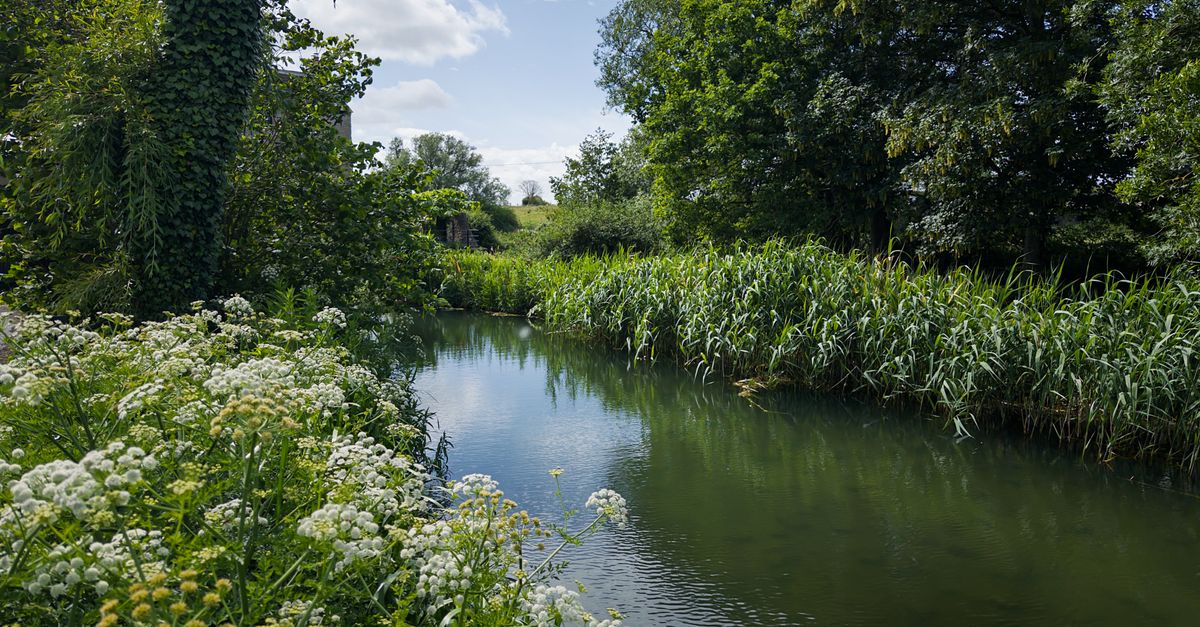
The River Test carries a particular tone — glassy, green, and quiet — where brown trout inspect every fly. Anglers speak of its long glides and riffling tails. The fish are precise. The casting must be precise too. Lines land soft. Leaders are long. Tippets are fine. The classic dry-fly moment lives here.
Chalk streams in southern England produce that special water: clear, cool, mineral-rich and steady. That steadiness shapes technique. Nymphs and emergers are fished with subtle presentation; dries are worked with patience. Grayling make the winter lanes lively, trout rule the summer lies.
Gear and small arts
A light rod and the right fly dominate conversation on the bank. Waders are a constant companion through the shallows; boots tread careful paths between beds of watercress. Flies are often small and understated — pale mayflies, tiny dun imitations, dark nymphs — dressed to match the stream’s discreet menu.
Reading the river is the craft. Look for seams, tails, slack water behind that submerged root. Approach low. Cast upstream and let the fly drift free. Strike with a soft lift, not a yank. The result is rarely loud; it is precise and quiet: a trout slipping from its lie, a ripple, then the fish on.
The River Test remains a measure of angling judgement: water, fly, stealth and timing. In the right light a mayfly rises and the surface shivers — that single moment makes every careful cast worth it.
Recommended: waterproof chest waders