
River Test and the Rise of Chalk‑Stream Fly Fishing
River Test at Stockbridge: a panorama of glassy riffles and rising brown trout
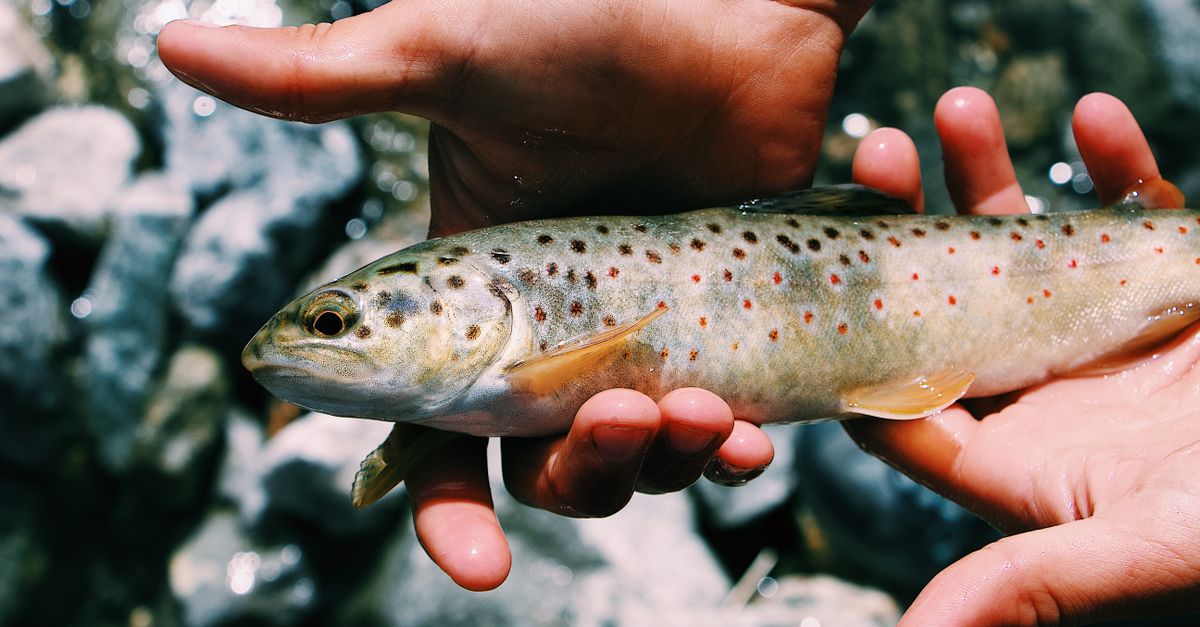
The River Test and its sister chalk streams in Hampshire set a standard no other water quite matches: water filtered through chalk, temperatures steady, insect life abundant. Brown trout live here the way people talk — quietly, with reverence. The clarity lets an angler pick out a dimpling fish half a cast away.
Dry‑fly doctrine and its challengers
The chalk streams forged a style. Frederick Halford made the dry fly gospel on those beats, insisting the fly must ride the surface where trout take. That doctrine shaped tackle, presentation and etiquette on ghillie‑run beats. Then G. E. M. Skues argued for nymphing, showing trout often take subsurface. The debate sharpened technique and led to subtler rigs and castings.
Habitats matter. Chalk delivers constant baseflow, supports watercress beds, and feeds mayflies and grayling as readily as trout. Fish here are wary, so leaders are fine, flies are small, and patience is currency. An angler in waders advances on a glassy glide, rod held low, waiting for the telltale rise.
Techniques born on the Test travelled worldwide. Dry‑fly casts, upstream drifts, tapered leaders and the reverence for presentation are now global. Back on a Hampshire beat, a single trout sips a sedge and the fly settles like a coin — that scene keeps anglers coming.
Recommended: waterproof chest waders