
Stockbridge and the River Test: Chalk‑Stream Fly Fishing
Stockbridge on the River Test and its chalk‑stream craft
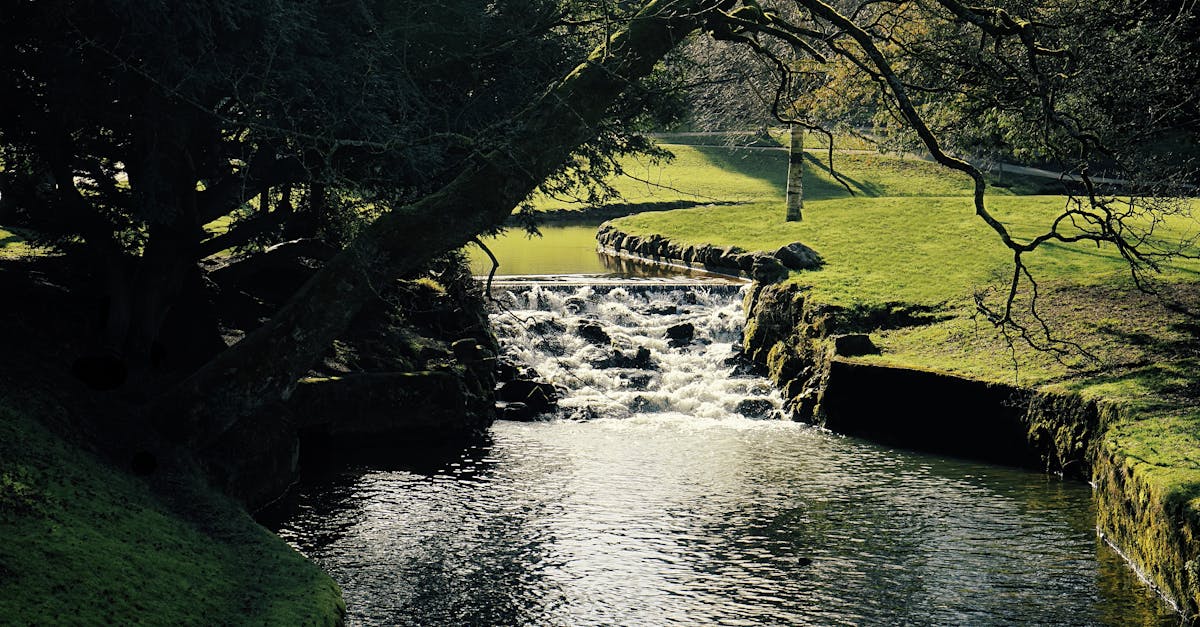
Stockbridge is shorthand among anglers for a certain kind of water: clear, spring‑fed, lined with watercress and long glides where brown trout rise to an unseen hatch. The River Test's gravelly beds make trout behaviour legible; that clarity forged techniques rather than the other way round.
Dry‑fly fishing as a disciplined technique was honed here. Anglers learned to present a single fly upstream, to read lies and current seams, to trust a hair‑fine tippet. The result was a quiet, precise practice — not brute casting but careful deception.
Halford, Skues and the lesson of the shallows
Frederic M. Halford is the name tied to the chalk‑stream dry fly: methodical, orthodox, almost ceremonial in pursuit of the rise. G. E. M. Skues pushed back with nymphs and a more flexible approach; their debate shaped modern angling. Both came to the same truth: trout on chalk water are predictable and demanding.
Gear follows the water. A light rod, a well‑balanced reel, delicate tippet and sensible waders are staples. Patterns that imitate upstream hatches — spiders, small sedge imitations and pale mayfly dun variants — still take the bulk of trout from these beats.
On an autumn evening along the Test a dry fly skitters, the trout rises like a thought, and the long tradition of chalk‑stream angling continues in a single, bright strike.
Recommended: lightweight fly rod