
River Test: Chalk-Stream Fly Fishing and English Tradition
The River Test in Hampshire is the touchstone of English chalk-stream fly fishing.
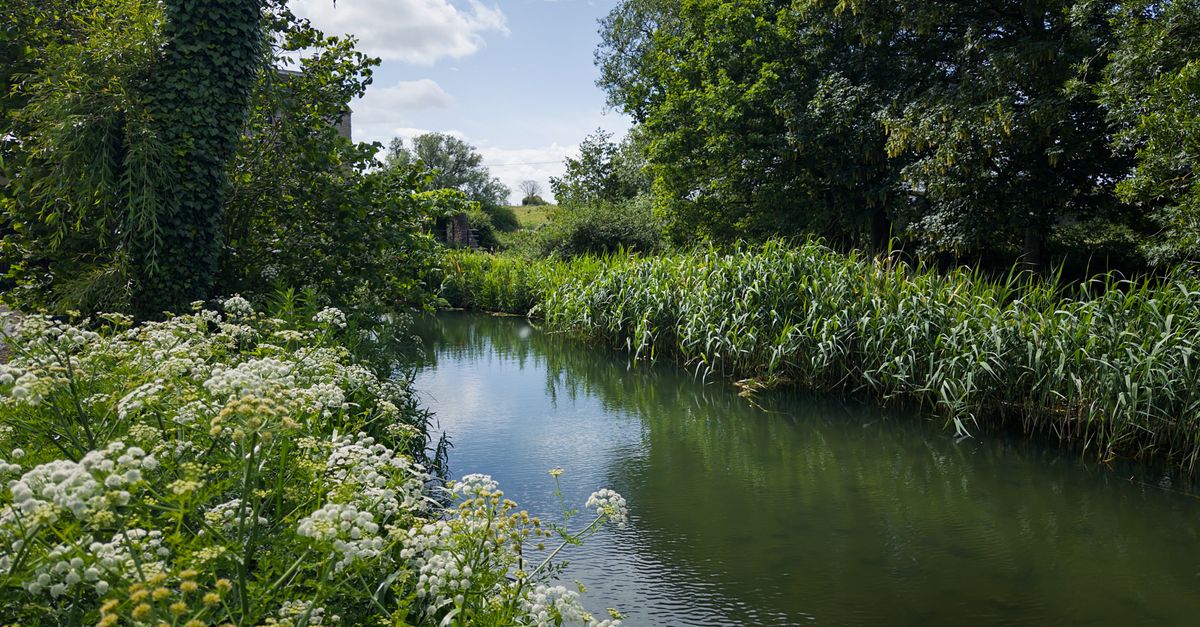
Clear water moves like glass here. Brown trout show in shallow runs and grayling haunt the colder tails. The river’s spring-fed clarity shapes every cast, every drift and every match between fly and fish.
Anglers speak of a rhythm: long upstream casts, delicate leaders, a drifting dry fly more often than brute power. Presentation beats brute force. A light rod, subtle tippet, steady hands and the right waders make the difference.
Why chalk matters
Chalk filters water to a unique clarity and steadiness. Aquatic life thrives: sedge, mayfly hatches and the insect life that defines dry-fly fishing. The result is a style of angling all its own—polite, precise, almost surgical on the cast.
The tradition runs through literature and practice. Izaak Walton wrote about trout and rivers; Victorian anglers refined casting and fly dressings. Modern guides still teach upstream presentation, reading lies and picking flies by hatch rather than by sight alone.
On the Test, a fly lands, the surface breaks and a brown trout slips away through water that looks almost porcelain under early light.
Recommended: waterproof chest waders